

Product Introduction
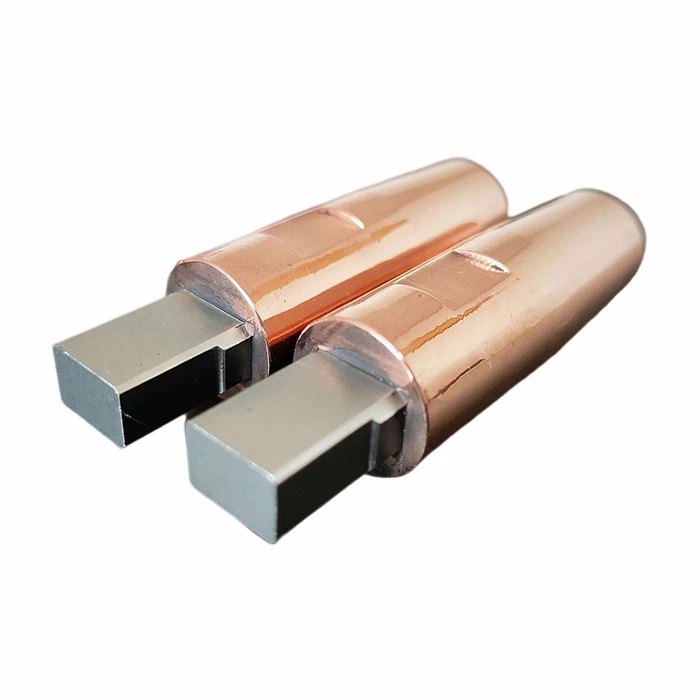
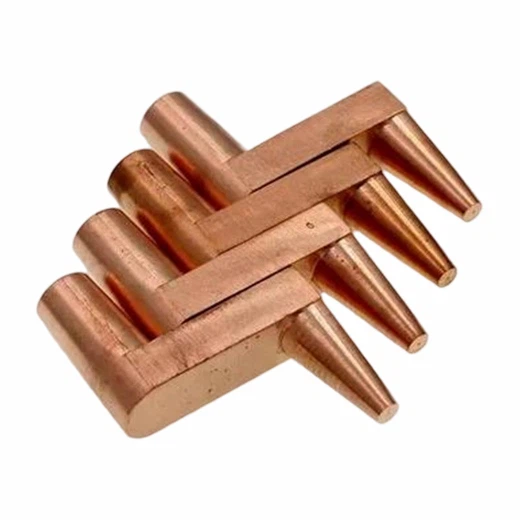
HAIFEI spot welding curved electrodes are designed for resistance spot welding on curved, recessed, or hard-to-reach metal surfaces. Compared with standard straight electrodes, curved electrodes help improve electrode access, contact angle, pressure transfer, and current concentration when welding automotive brackets, appliance shells, hinge parts, seat frames, and formed sheet metal components.
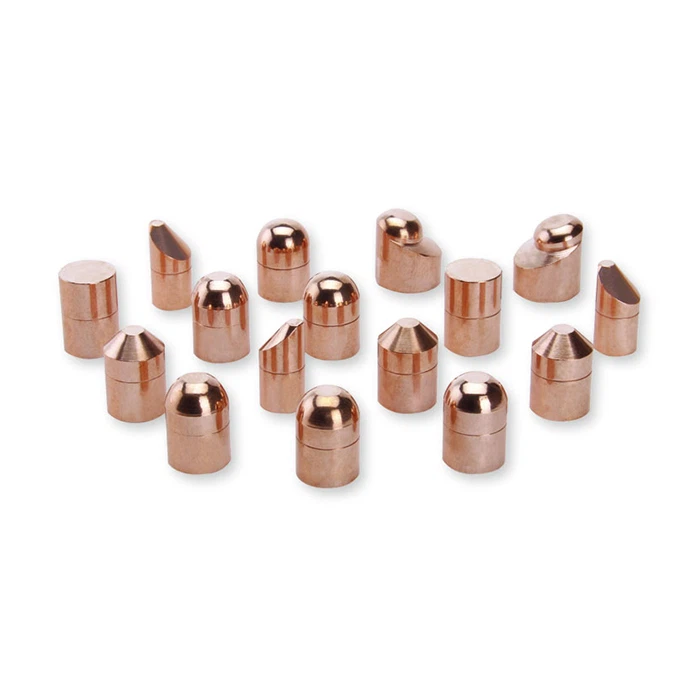
The electrode radius, shank diameter, tip shape, copper alloy material, and cooling structure can be selected according to the workpiece shape, welding position, welding current, electrode holder, and required weld mark control.


When Should You Use a Curved Spot Welding Electrode?
A curved spot welding electrode is recommended when a straight electrode cannot keep stable contact with the weld point.
You may need a curved electrode in the following situations:
- The weld point is located on a curved or recessed surface.
- The welding area is blocked by a flange, edge, rib, or formed structure.
- A straight electrode cannot contact the part at the correct angle.
- The workpiece has limited access space for the welding gun.
- The visible surface requires better weld mark control.
- The part needs special electrode reach for stable pressure transfer.
- The welding fixture requires a non-standard electrode shape.
For automotive stamped parts, appliance housings, brackets, hinges, and curved sheet metal structures, the correct curved electrode design can help improve welding stability and reduce positioning problems during production.
Key Product Features
Curved Design for Better Welding Access
By improving the contact angle between the electrode and the workpiece, the electrode helps the welding machine apply pressure more evenly at the weld point.
Suitable for Contoured and Recessed Surfaces
A properly designed electrode radius helps improve contact stability and reduce weld variation.
Custom Tip Radius
Available
Haifei can provide standard radius options or customize the electrode tip shape based on the customer's workpiece drawing, weld point position, and surface requirement.
Copper Alloy Material
Options
The right material helps maintain conductivity, hardness, heat resistance, and service stability during spot welding.
Water-Cooled Structure for High-Current Welding
For high-current, long-cycle, or continuous production applications, a water-cooled curved electrode can help control electrode temperature and reduce wear.
Custom Machining Based on Drawings
Haifei can customize curved electrodes according to customer drawings, electrode holder dimensions, welding gun structure, fixture layout, and workpiece access space.
Technical Specifications
Parameter |
Specification |
|
Shank Diameter |
10mm-25mm standard |
|
Tip Radius Options |
5mm, 10mm, 15mm, 25mm, custom |
|
Material |
CuCr1Zr, CuCo2Be |
|
Cooling Capacity |
Up to 8L/min water flow |
|
Max Temperature |
400°C continuous operation |
Typical Applications
Automotive Brackets and Formed Metal Parts
Curved electrodes are commonly used for spot welding automotive brackets, formed panels, seat frame components, hinge areas, reinforcement parts, and other stamped metal structures.
These parts often have curved surfaces, ribs, flanges, or restricted welding positions where straight electrodes cannot reach properly.
Appliance Shells and Drum Components
Appliance products often include curved housings, drums, panels, and assembled sheet metal structures. A curved electrode can help maintain contact in areas where the weld point is close to an edge, bend, or formed surface.
Typical applications include washing machine drum parts, appliance housings, refrigerator hinge areas, and curved metal covers.
Hardware and Metal Housings
Curved spot welding electrodes can be used for hardware parts, metal clips, covers, handles, brackets, and small stamped metal assemblies. For irregular components, the electrode shape can be designed to match the welding position and fixture layout.
Custom Resistance Welding Fixtures
Curved electrodes can be used together with custom electrode arms, welding guns, positioning fixtures, and automated spot welding stations. They are often selected when the welding process requires special access, angle control, or restricted-space welding.
Our Cooperative Partner and Certificate
Certifications
40+ Patents and 2 National Software Copyrights, 10,000㎡ Factory with 100+ skilled employees.

Invention Patent Certificate

Design patent certificate

Utility Model Patent Certificate

Utility Model Patent Certificate

CE certificate for polymer diffusion welding machine

CE certificate for diffusion welding machine
Our Partners
We have served over 3,300 customers worldwide, and our long-term partners include Tesla, BYD, and Siemens.Over 40+ Fortune 500 companies.


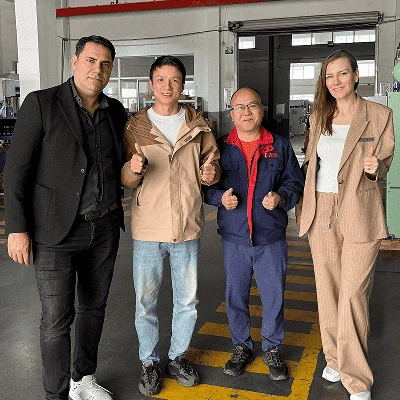
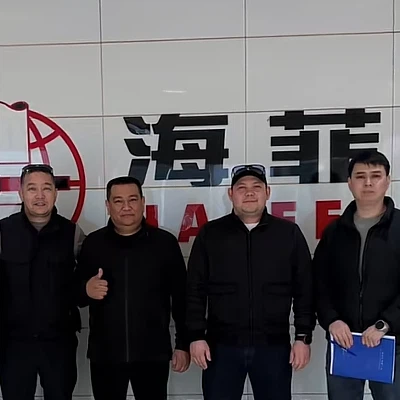
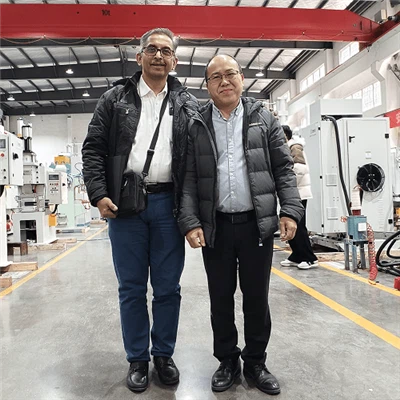
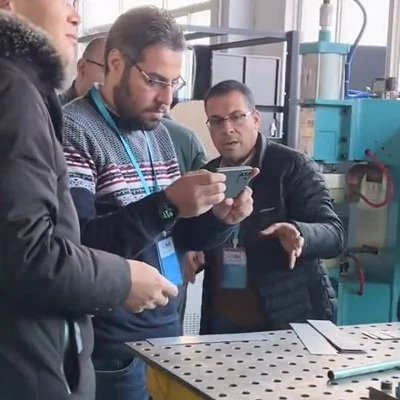
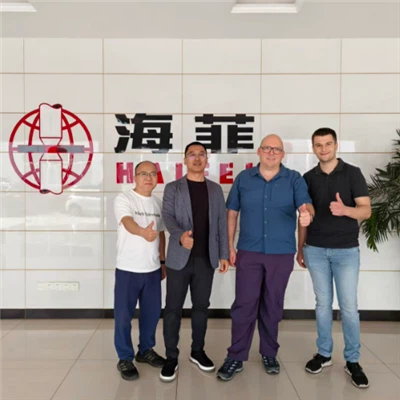
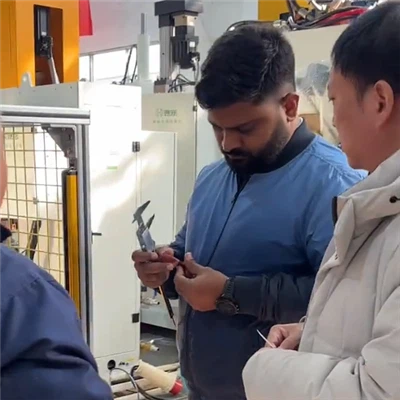
HAIFEI Customer Site




Why Choose Our Curved Electrodes?
Patented Tip Geometry
Ensures 30% longer service life than standard electrodes
01
Precision Alignment
Maintains perpendicular contact on complex curves
02
Reduced Spatter
Special surface treatment minimizes sticking
03
Global Availability
Standard and custom sizes with quick delivery
04
FAQ
Q: What is a spot welding curved electrode used for?
A: It is used for resistance spot welding on curved, recessed, angled, or hard-to-reach metal surfaces where a straight electrode cannot maintain stable contact.
Q: How do I choose the correct tip radius?
A: The radius should match the workpiece curvature, weld point position, surface requirement, and access space. For special parts, a drawing or workpiece photo is recommended.
Q: Can Haifei customize the shank diameter?
A: Yes. Standard shank diameters include 10mm to 25mm, and custom sizes can be made according to the electrode holder, welding gun, or fixture structure.
Q: Does a curved electrode need water cooling?
A: Water cooling is recommended for high-current, long-cycle, or continuous production applications. It helps control electrode temperature and reduce wear.
Q: Can curved electrodes be used in automated welding stations?
A: Yes. Curved electrodes can be matched with custom fixtures, electrode arms, welding guns, and automated resistance welding stations. The final design should be confirmed according to the machine structure and workpiece position.
Q: What causes fast wear on a curved spot welding electrode?
A: Fast wear may be caused by excessive current, poor cooling, high electrode pressure, dirty workpiece surfaces, coating buildup, incorrect tip radius, or unstable fixture positioning.
Wuxi Haifei Intelligent Equipment Co., Limited is one of the leading manufacturers and suppliers of spot welding curved electrode in China. With abundant experience, we warmly welcome you to buy advanced spot welding curved electrode for sale here from our factory. Quality products and reasonable price are available.
Hot Tags: spot welding curved electrode, China spot welding curved electrode manufacturers, suppliers, factory, consumable welding electrode, welding equipment and consumables, carbon steel pipe welding electrode, welding consumables, welding consumables manufacturers, Spot Welding Electrode Cap Tips