


Resistance Welding Electrodes and Custom Consumables
HAIFEI supplies resistance welding electrodes and related consumable components for spot welding, projection welding and diffusion welding applications. Products include spot welding electrodes, replaceable electrode caps, nut welding electrodes, positioning pins, curved electrodes, electrode arms and custom graphite tooling.
Electrode performance is affected by more than material grade. The workpiece material, surface coating, welding current, electrode tip geometry, cooling structure and machine interface must be considered together. For replacement or custom parts, we can evaluate your electrode drawing, machine model, workpiece information or existing sample before confirming the design.
Request a Custom Electrode Quote
-
![Graphite Electrode]() Graphite ElectrodeGraphite electrodes are widely used in resistance welding and diffusion welding systems to ensure stable current conduction, consistent heat distribution, and improved welding quality. Compared...view more
-
![Spot Welding Electrode]() Spot Welding ElectrodeOur Spot Welding Electrodes are precision-engineered tools designed to deliver consistent, high-quality welds in automotive, appliance, and metal fabrication industries. Manufactured to...view more
-
![Spot Welding Electrode Cap Tips]() Spot Welding Electrode Cap TipsOur Spot Welding Electrode Cap Tips are precision-engineered consumables designed to deliver optimal current transfer and extended service life in resistance welding applications. These...view more
-
![Nut Electrode Positioning Pin]() Nut Electrode Positioning PinOur Nut Electrode Positioning Pins are engineered components designed to ensure perfect alignment and repeatable accuracy in resistance nut welding applications. These specialized pins...view more
-
![Resistance Welding Electrode Arm]() Resistance Welding Electrode ArmOur Resistance Welding Electrode Arms are precision-engineered components designed to deliver consistent force and optimal current transfer in spot welding applications. These robust assemblies...view more
-
![Electrode Grip]() Electrode GripOur Electrode Grips are precision-engineered tools designed to provide secure, comfortable, and efficient handling of welding electrodes in all industrial applications. These heavy-duty grips...view more
-
![Resistance Welding Nut Electrodes]() Resistance Welding Nut ElectrodesOur Resistance Welding Nut Electrodes are precision-engineered tools designed for reliable, consistent projection welding of nuts to metal sheets in automotive, appliance, and industrial...view more
-
![Spot Welding Curved Electrode]() Spot Welding Curved ElectrodeHAIFEI spot welding curved electrodes are designed for resistance spot welding on curved, recessed, or hard-to-reach metal surfaces. Compared with standard straight electrodes, curved electrodes...view more
-
![Welding Electrode]() Welding ElectrodeOur Spot Welding Electrodes are precision-engineered tools designed to deliver consistent, high-quality welds in automotive, appliance, and metal fabrication industries. Manufactured to...view more


What Are Welding Consumables?
- Welding consumables refer to functional and wear components that directly participate in current conduction, force transmission, or joint formation during welding, including graphite electrodes, welding electrodes, welding rods, rod holders, and electrode arms. These components ensure accurate delivery of welding current and pressure to the joint area, making them essential to process stability.
- Welding consumables must be properly matched with the welding machine, power supply type, and process parameters. Improper selection may result in unstable weld nuggets, excessive electrode wear, increased spatter, or unplanned downtime, all of which negatively affect productivity and yield.
Resistance Welding Consumables at a Glance
| Item | Available Options |
|---|---|
| Main product range | Spot welding electrodes, cap tips, nut welding electrodes, positioning pins, curved electrodes, electrode arms and graphite tooling |
| Supported processes | Resistance spot welding, projection welding and diffusion welding |
| Custom manufacturing | Available according to drawings, dimensions, workpieces or existing samples |
| Machine compatibility | HAIFEI equipment and other machines with confirmed mounting dimensions |
| Information required | Machine model, electrode dimensions, workpiece material, coating, welding position and required quantity |
| Sample evaluation | Available when drawings or specifications are incomplete |
| Batch production | Final dimensions and configuration are confirmed before quantity production |
Main Categories of Welding Consumables


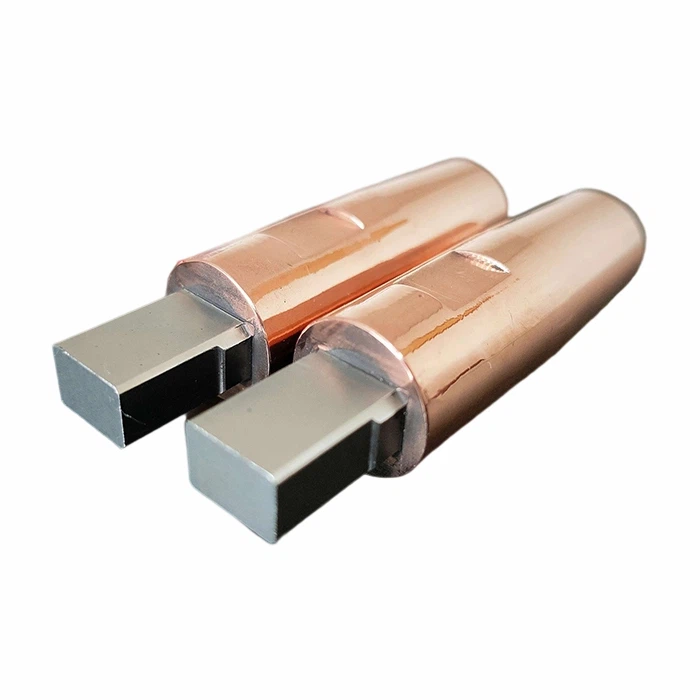
Graphite Electrodes
Graphite electrodes offer excellent electrical conductivity, high-temperature resistance, and strong anti-sticking properties. They are commonly used in specific resistance welding applications where reduced adhesion between the electrode and workpiece is required, especially in high-temperature or continuous welding conditions.
Welding Electrodes
Welding electrodes are among the most critical consumables in resistance welding systems, as they directly influence weld nugget formation and joint strength. Different electrode materials provide varying levels of conductivity, hardness, and wear resistance, and must be selected based on the welded material, current level, and quality requirements.
Welding Rods
Welding rods are used to transmit current and mechanical force within the welding circuit. Their structural integrity and conductivity affect energy efficiency and weld consistency. High-quality rods help minimize energy loss and improve process repeatability.
Bent Welding Rods for Spot Welding
Bent welding rods are designed for restricted spaces and complex tooling layouts. Their specialized geometry allows electrodes to reach the weld location without compromising force or current transmission, making them particularly valuable in automated and multi-station welding systems.
Welding Rod Holders
Welding rod holders secure the rod in position and maintain reliable electrical contact. Properly designed holders reduce contact resistance and localized heating, contributing to a more stable welding process.
Resistance Welding Electrode Arms
Electrode arms function as both conductive and load-bearing components. High-strength, low-resistance electrode arms maintain structural stability under long-term high-load operation, reducing deformation, minimizing energy loss, and extending system service life.
Resistance Welding Consumables Comparison
| Product Type | Main Function | Typical Application | Information Required |
|---|---|---|---|
| Spot welding electrode | Conduct current and apply welding force | Sheet metal spot welding and conductive component welding | Tip profile, shank size, machine model and workpiece material |
| Electrode cap | Provide a replaceable welding contact surface | Spot welding guns and automated welding systems | Cap diameter, taper, length and tip profile |
| Nut welding electrode | Support and conduct current during projection welding | Weld nuts and fasteners to sheet metal | Nut drawing, sheet material, coating and weld position |
| Positioning pin | Locate the nut during welding | Manual and automatic nut projection welding | Nut size, thread or hole dimensions and loading direction |
| Curved electrode | Reach restricted welding positions | Recessed, offset or obstructed weld points | Workpiece drawing, weld location and available clearance |
| Electrode arm | Conduct current and transmit force | Spot and projection welding machines | Machine model, mounting dimensions, length and cooling layout |
| Graphite tooling | Support heating and compression of foil stacks | Copper and aluminum diffusion welding | Foil stack, welding area and finished joint dimensions |
Need Help Matching an Electrode to Your Machine?
Send the machine model, electrode drawing, workpiece material and photos of the welding position. We will review the mounting interface, tip geometry and cooling requirements before preparing a quotation.
Customization Options
| Material | Customizable |
| Size | Customizable |
| Shape | Customizable |
| MOQ | Contact Us |
Application Industry of Welding Consumables
Automotive Spot and Projection Welding
Spot welding electrodes, cap tips, nut welding electrodes and positioning pins are used for automotive brackets, structural sheet parts, reinforcement components, weld nuts and weld bolts.
Automotive applications often involve coated steel, repeated production cycles and multiple weld points. Electrode cooling, tip dressing and dimensional consistency must be considered when setting the maintenance schedule.
Nut and Fastener Projection Welding
Dedicated electrodes and positioning pins help locate nuts, bolts and other fasteners before the welding current is applied. The tooling should match the fastener geometry and provide sufficient support below the projection area.
For automatic nut welding, the electrode design may also need to accommodate feeding, detection and reject-control functions.
Appliance and Metal Enclosure Manufacturing
Resistance welding consumables can be used for refrigerator parts, compressor components, appliance housings, cabinets and fabricated sheet-metal assemblies.
Production stability depends on consistent part positioning, electrode alignment and cooling. Restricted weld positions may require curved or offset electrodes.
Busbars and Electrical Components
Copper busbars, electrical contacts and current-carrying components require careful control of heat loss and current concentration. The electrode material, contact profile and fixture pressure should be selected according to the joint structure.
Actual samples and drawings are recommended when developing electrodes for copper or other highly conductive materials.
Copper and Aluminum Flexible Connectors
Graphite welding tooling is used during diffusion welding of stacked copper or aluminum foils. The tooling supports the foil stack while heat and pressure are applied to the joint area.
The graphite block or mold should be designed according to the foil width, number of layers, welding length and finished connector dimensions.
How to Select the Right Welding Consumables
Consumable Requirements for Different Welding Processes
-
Spot Welding and Projection Welding
These processes require consumables with stable conductivity, controlled hardness, and good wear resistance. Electrode material consistency and tip geometry play a key role in weld strength and appearance.
-
Seam Welding
Seam welding demands consumables capable of continuous operation, with strong thermal resistance and fatigue durability to ensure consistent weld quality over long production runs.
-
Automated and Flexible Welding Lines
In automated production environments, consumables must support high cycle rates, long service life, and fast replacement. Standardized and modular designs help reduce maintenance time and maximize line efficiency.
Based on Welded Materials
Steel, copper, aluminum, and their alloys differ significantly in electrical and thermal properties. Consumables should be selected to match the base material in order to prevent defects caused by improper heat distribution or current flow.
Based on Welding Process and Equipment Type
Different resistance welding machines—such as mid-frequency systems or capacitor discharge welders—place different demands on consumables in terms of current capacity and mechanical strength. Selection should always consider actual equipment parameters.
Based on Production Rate and Service Life
In high-throughput production, consumable durability and wear resistance are critical. Proper selection reduces replacement frequency and lowers total operating cost.
Custom Manufacturing Process
Application Review
We check the welding process, workpiece material, weld location, machine interface and reported problem.
Drawing and Dimension Confirmation
Critical dimensions such as the taper, thread, mounting position, electrode length, tip profile and cooling channel are reviewed before production.
Material and Structure Evaluation
The material and electrode structure are selected according to the welding conditions and confirmed requirements.
Sample Production
For new or modified parts, sample production can be arranged before batch manufacturing.
Dimensional Inspection
Critical interface and installation dimensions are checked against the approved drawing or sample.
Batch Supply
After the sample or drawing is approved, the confirmed specification can be used for repeat orders.
Changes to material, geometry or cooling structure should be evaluated before being applied to production quantities.
Why Source Resistance Welding Consumables from HAIFEI?
Equipment and Tooling Evaluated Together
HAIFEI develops resistance welding machines and customized welding systems. This allows the electrode structure to be reviewed in relation to the machine, workpiece, fixture and welding process instead of being treated as an isolated replacement part.
Custom Parts Based on Actual Interfaces
Electrodes, arms, positioning components and graphite tooling can be evaluated according to drawings, mounting dimensions or existing samples. Critical interfaces are confirmed before batch manufacturing.
Support for Special Welding Positions
Curved, offset and custom-profile electrodes can be developed for recessed weld points, limited fixture clearance and non-standard workpiece shapes.
Consumables for Multiple Resistance Welding Processes
The available range covers components for spot welding, nut projection welding and diffusion welding, allowing customers to source machine-related tooling from the same technical team.
Support for Replacement and New Projects
HAIFEI can assist with replacement consumables for existing equipment as well as electrode and tooling development for new welding machines or automatic production systems.
Common Electrode Problems and Possible Causes
| Problem | Possible Causes | Information to Check |
|---|---|---|
| Electrode sticking to the workpiece | Surface coating buildup, excessive heat, unsuitable tip condition or insufficient cooling | Workpiece coating, welding current, cooling and electrode face |
| Rapid tip mushrooming | Excessive temperature, unsuitable material, high force or poor cooling | Electrode material, force, current and water flow |
| Excessive weld indentation | Small tip area, excessive force, excessive heat or worn electrode face | Tip profile, welding settings and workpiece thickness |
| Unstable weld strength | Worn electrodes, inconsistent contact, poor alignment or parameter variation | Electrode condition, fixture alignment and welding parameters |
| Electrode overheating | Restricted water flow, poor electrical contact or excessive duty cycle | Cooling channel, connection surface and production rate |
| Water leakage | Damaged seal, incorrect connection, cracking or channel corrosion | Cooling ports, sealing structure and electrode condition |
| Positioning pin breakage | Incorrect clearance, lateral force, nut misalignment or unsuitable pin geometry | Nut dimensions, feeding direction and pin installation |
| Short graphite tooling life | Cracking, uneven pressure, excessive temperature or improper handling | Tooling surface, loading method, heating cycle and maintenance |
Replacing the electrode without checking the operating cause may only provide a temporary improvement. Photos of the worn part, welding position and finished joint can help identify whether the problem is related to material, geometry, cooling or process settings.
Ordering Process
Send Us Inquiry → Receive Our Quotation → Negotiate Details → Confirm the Sample → Sign Contract/Deposit → Mass Production →Cargo Ready → Balance/Delivery → Further Cooperation
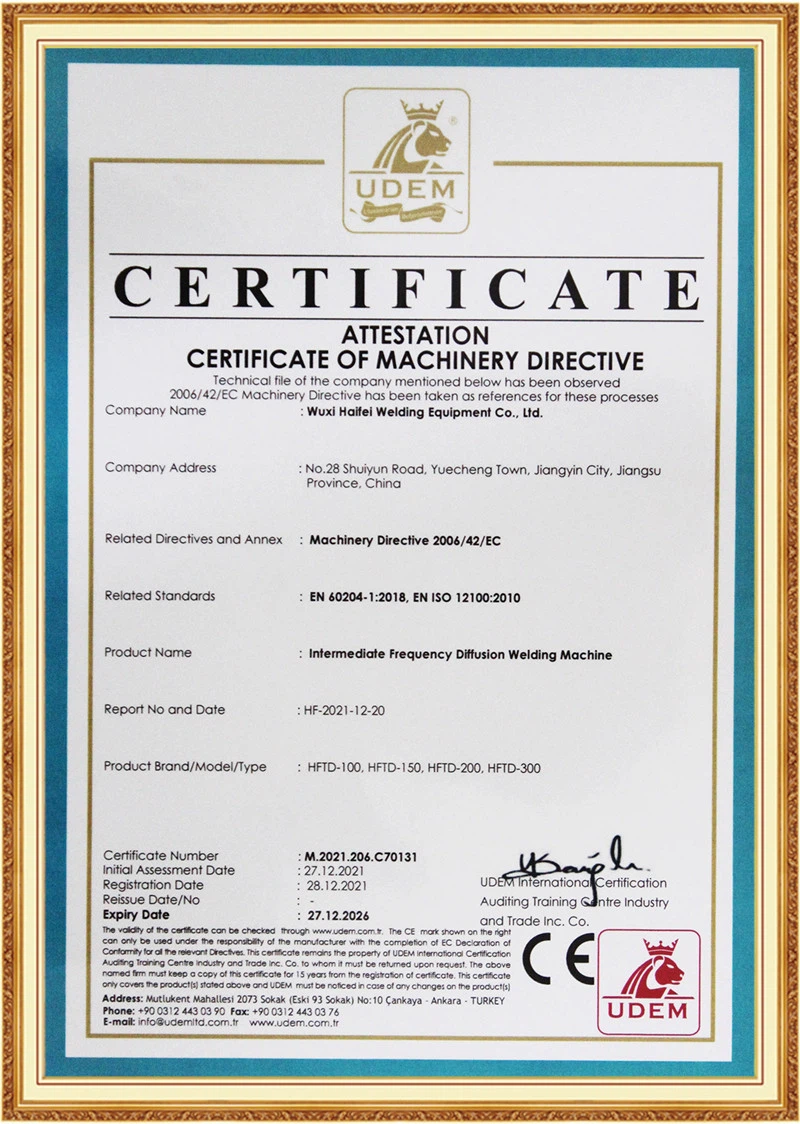
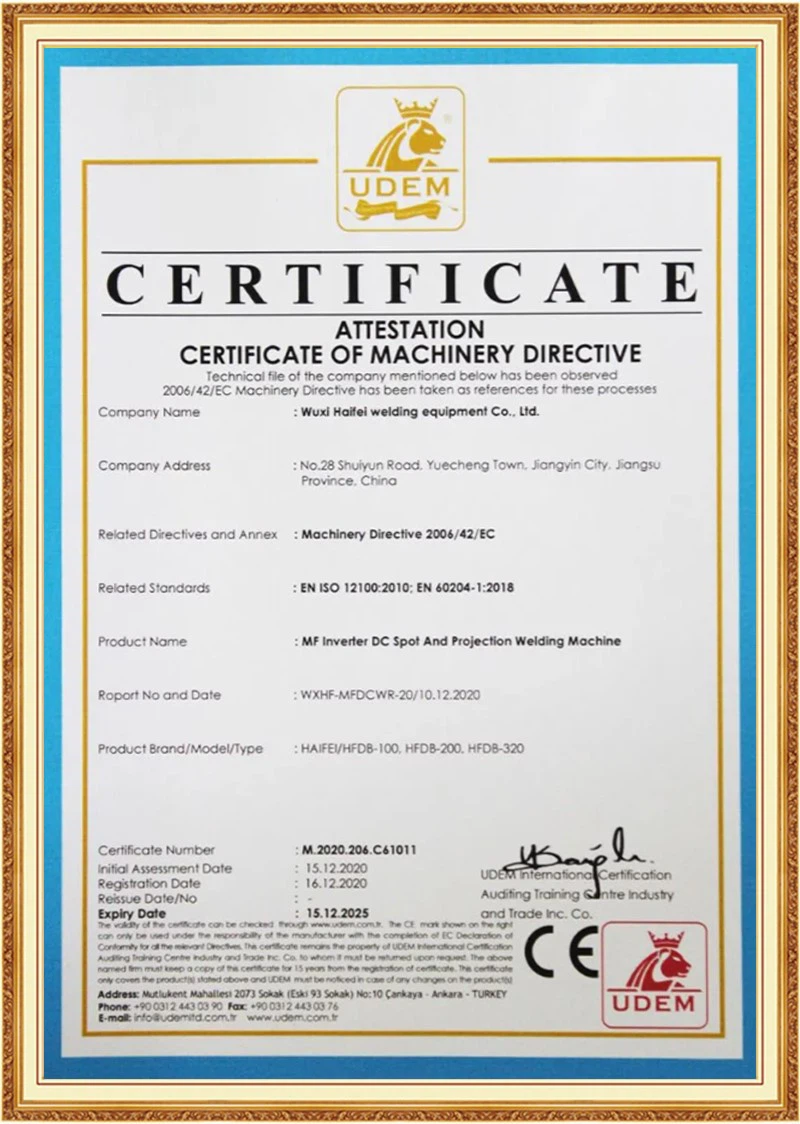
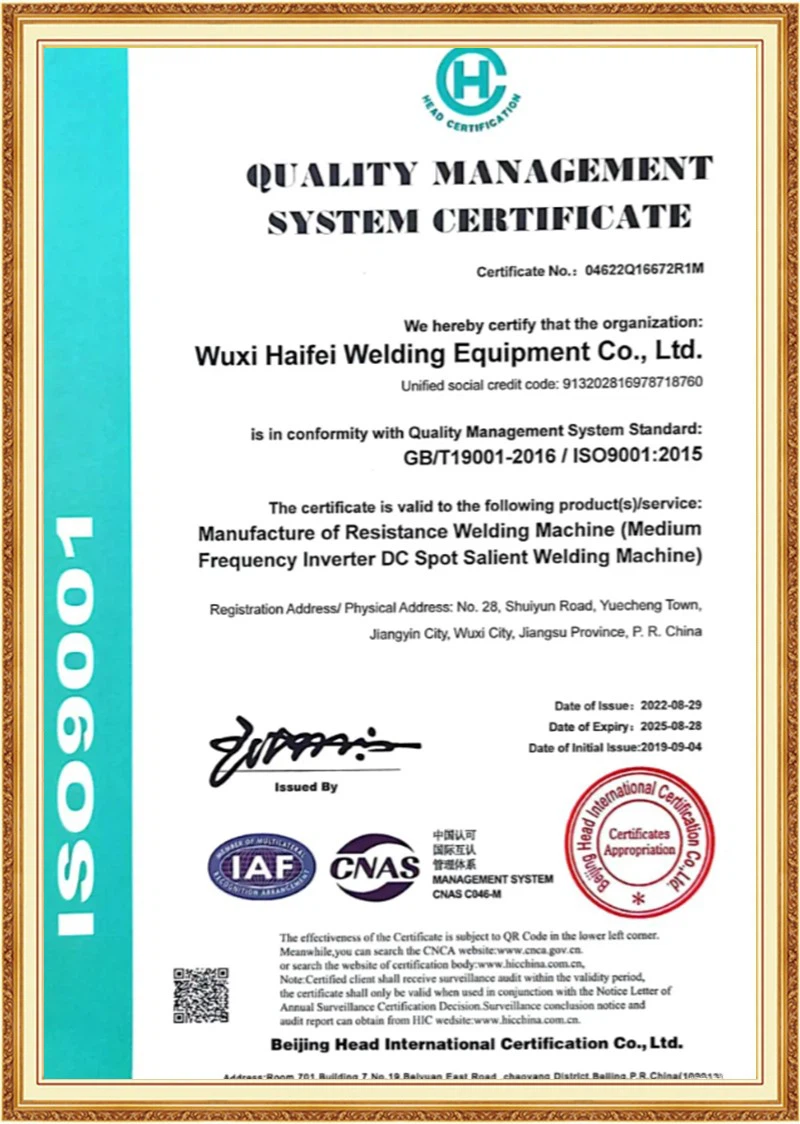
Certificate
Payment Terms
T.T with 30% downpayment, 70%before shipment.
Paypal or West Union also accept.
Packaging & Shipping

FAQ
Q: What causes spot welding electrodes to wear quickly?
A: Common causes include high operating temperature, insufficient cooling, coating buildup, unsuitable tip geometry, excessive current density and incorrect dressing.
Q: Can nut welding electrodes and positioning pins be supplied together?
A: They can be evaluated as a matching set when the nut drawing, sheet information, loading direction and machine interface are provided.
Q: How often should spot welding electrodes be dressed?
A: The interval depends on material coating, welding current, production rate and acceptable weld quality. Dressing should be based on electrode condition and validated production limits.
Q: Can you manufacture curved electrodes for restricted welding positions?
A: Yes. Please provide the workpiece drawing, weld location, available clearance and machine mounting dimensions so the electrode path can be evaluated.
Q: Can graphite tooling be customized for copper foil welding?
A: Yes. The foil material, number of layers, welding area, finished joint dimensions and clamping direction are required for evaluation.
Request a Custom Resistance Welding Consumables Quote
Need replacement electrodes, a special electrode profile or graphite tooling for a new welding project?
Send us your drawing, machine model, workpiece material and required quantity. If no drawing is available, provide clear dimensional photos or an existing sample. Our engineers will review the machine interface, welding position, cooling structure and application requirements before recommending a suitable solution.
Wuxi Haifei Intelligent Equipment Co., Limited is well-known as one of the leading welding consumables manufacturers and suppliers in China. Please rest assured to buy high quality welding consumables made in China here from our factory. For price consultation, contact us.
Spot Welding Electrode Cap Tips, welding consumables, welding electrode flux


