


As a supplier of welding consumables, I often encounter questions from customers about the necessity of calibrating welding consumables before use. This topic is not only crucial for ensuring the quality and safety of welding operations but also has a significant impact on the overall efficiency and cost - effectiveness of the welding process. In this blog, I will delve into the reasons for and against calibrating welding consumables, providing a comprehensive analysis to help you make an informed decision.
The Importance of Calibration in General
Calibration is a process of comparing a measuring instrument or a tool against a known standard to determine its accuracy. In various industries, calibration is a well - established practice to ensure that equipment functions as intended. For example, in the automotive industry, engine sensors are calibrated regularly to maintain optimal performance. In the medical field, diagnostic equipment calibration is mandatory to ensure accurate test results.
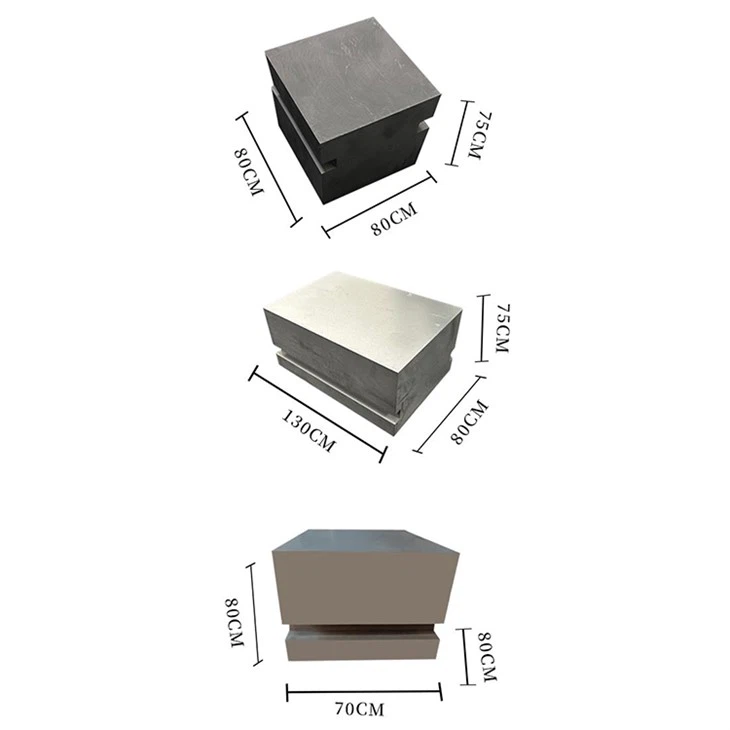

In the context of welding, calibration can play a similar role. Welding consumables such as electrodes, filler metals, and shielding gases are essential components of the welding process. Their properties, including chemical composition, diameter, and flow rate (in the case of shielding gases), can affect the quality of the weld. If these properties deviate from the expected values, it can lead to defects in the weld, such as porosity, lack of fusion, or cracking.
Arguments in Favor of Calibrating Welding Consumables
Ensuring Weld Quality
One of the primary reasons for calibrating welding consumables is to ensure high - quality welds. For instance, Electrode Grip needs to hold the electrode firmly and conduct electricity evenly. If the electrode grip is not calibrated properly, it may cause uneven heat distribution during welding, leading to inconsistent weld bead formation. Similarly, Spot Welding Electrode Cap Tips must have the correct shape and size to ensure proper contact with the workpiece. Any deviation in their dimensions can result in weak spot welds.
Complying with Standards and Regulations
Many industries have strict standards and regulations regarding welding quality. For example, the aerospace and nuclear industries require welds to meet specific codes and standards. Calibrating welding consumables is often a part of the quality control process to ensure compliance. By calibrating consumables, suppliers can provide customers with products that meet the required specifications, reducing the risk of non - compliance and potential legal issues.
Reducing Weld Defects and Rework
Calibration helps in identifying and correcting any issues with welding consumables before they are used in the welding process. This can significantly reduce the occurrence of weld defects. Reworking defective welds is not only time - consuming but also costly. By investing in calibration, companies can save money in the long run by avoiding the need for extensive rework.
Arguments Against Calibrating Welding Consumables
Cost and Time Constraints
Calibration can be a time - consuming and expensive process. It requires specialized equipment, trained personnel, and dedicated facilities. For small - scale welding operations or companies with tight budgets, the cost of calibration may outweigh the benefits. Additionally, the time required for calibration can delay production schedules, especially if there is a high demand for welding services.
Limited Impact on Weld Quality in Some Cases
In certain welding applications, the impact of calibration on weld quality may be minimal. For example, in some low - stress, non - critical welding jobs, small variations in the properties of welding consumables may not significantly affect the final weld. In these cases, the cost and effort of calibration may not be justified.
Types of Welding Consumables and Calibration Requirements
Electrodes
Electrodes are one of the most commonly used welding consumables. They come in various types, such as shielded metal arc welding (SMAW) electrodes, gas metal arc welding (GMAW) electrodes, and flux - cored arc welding (FCAW) electrodes. Calibration of electrodes typically involves checking their diameter, length, and chemical composition. For example, Graphite Electrode used in some high - temperature welding applications needs to have a specific carbon content and density. Any deviation from the standard values can affect the performance of the electrode.
Filler Metals
Filler metals are used to add material to the weld joint. They need to have the appropriate chemical composition and mechanical properties to match the base metal. Calibration of filler metals may include testing for hardness, tensile strength, and chemical analysis. Ensuring the correct composition of filler metals is crucial for achieving a strong and durable weld.
Shielding Gases
Shielding gases are used to protect the weld pool from atmospheric contamination. The flow rate and purity of shielding gases are important factors that need to be calibrated. Incorrect flow rates can lead to improper shielding, resulting in weld porosity. The purity of the gas also affects the quality of the weld, as impurities can cause defects.
Our Approach as a Welding Consumables Supplier
At our company, we understand the concerns of both sides of the calibration debate. We offer a range of welding consumables that are manufactured to the highest quality standards. For customers who require calibrated products, we have a state - of - the - art calibration facility and a team of experienced technicians. We can provide calibration certificates for our products, giving customers peace of mind that they are using high - quality, reliable welding consumables.
On the other hand, for customers who are on a tight budget or have less critical welding applications, we offer cost - effective options without sacrificing too much on quality. We believe in providing customized solutions to meet the diverse needs of our customers.
Conclusion
The question of whether welding consumables need to be calibrated before use does not have a one - size - fits - all answer. It depends on various factors, including the type of welding application, the quality requirements, and the budget constraints. As a welding consumables supplier, we are committed to providing our customers with the information and products they need to make the right decision.
If you are interested in learning more about our welding consumables or have any questions regarding calibration, we encourage you to contact us for a detailed discussion. Our team of experts is ready to assist you in choosing the most suitable welding consumables for your specific needs and provide guidance on calibration if required.
References
- American Welding Society (AWS) Standards
- International Organization for Standardization (ISO) Welding Standards
- Welding Handbook, Volume 1: Welding Science and Technology, 9th Edition


