


Hey there! As a supplier of graphite electrodes, I've seen firsthand how the market price of these crucial components can go up and down like a rollercoaster. In this blog, I'll share my insights on what causes these fluctuations and how it impacts both suppliers like me and customers.
Let's start with the basics. Graphite electrodes are essential in the steelmaking industry, used in electric arc furnaces (EAFs) to melt scrap metal and produce high - quality steel. They conduct electricity and generate the heat needed for the melting process. Given their importance, any changes in the market price can have far - reaching consequences.
One of the main factors affecting the market price of graphite electrodes is raw material availability. Graphite electrodes are primarily made from needle coke and petroleum coke. Needle coke, in particular, is a high - quality raw material that is in limited supply. When there are disruptions in the supply of needle coke, such as production issues in major producing regions or changes in international trade policies, the cost of manufacturing graphite electrodes goes up. This, in turn, leads to an increase in the market price.
For example, in recent years, there have been some geopolitical tensions in regions where a significant amount of needle coke is produced. These tensions can lead to trade restrictions or supply chain disruptions. As a result, the price of needle coke has spiked, and graphite electrode manufacturers have had to pass on these increased costs to customers.
Another key factor is the demand from the steel industry. The steel industry is the largest consumer of graphite electrodes. When the demand for steel is high, steel mills increase their production, which means they need more graphite electrodes. During economic booms, construction projects are on the rise, and the automotive industry is producing more vehicles. All these activities require a large amount of steel, driving up the demand for graphite electrodes.
Conversely, during an economic downturn, the demand for steel drops. Construction projects may be put on hold, and automotive sales decline. Steel mills reduce their production, and the demand for graphite electrodes decreases. When demand is low, suppliers like me often have to lower our prices to attract customers and clear our inventories.
The production capacity of graphite electrode manufacturers also plays a role in price fluctuations. If new manufacturing facilities are built, the overall production capacity in the market increases. This can lead to an oversupply of graphite electrodes, putting downward pressure on prices. On the other hand, if existing manufacturers face technical problems, maintenance issues, or regulatory challenges, their production may be reduced. An undersupply situation then occurs, and prices tend to go up.
Environmental regulations are also a significant factor. In many countries, there are strict environmental regulations regarding the production of graphite electrodes. These regulations aim to reduce pollution and promote sustainable manufacturing practices. However, complying with these regulations can be costly for manufacturers. They may need to invest in new equipment or modify their production processes. These additional costs are often reflected in the market price of graphite electrodes.
Now, let's talk about how these price fluctuations affect me as a supplier. When prices are rising, it can be a double - edged sword. On one hand, I can make more profit per unit sold. But on the other hand, some customers may reduce their orders due to the higher prices. This can lead to a decrease in the overall volume of sales. When prices are falling, I have to be very careful to manage my costs. I may need to negotiate better deals with my raw material suppliers or find ways to improve my production efficiency.
For customers, price fluctuations can also be challenging. When prices are high, they have to pay more for the same quantity of graphite electrodes, which can increase their production costs. This may force them to look for alternative materials or technologies, although finding a suitable substitute for graphite electrodes is not always easy. When prices are low, customers can save money, but they may also be concerned about the quality of the electrodes. Some suppliers may cut corners to offer lower prices, which can lead to performance issues in the long run.
As a supplier, I understand the importance of providing high - quality graphite electrodes at a reasonable price. I work closely with my raw material suppliers to ensure a stable supply and negotiate the best possible prices. I also invest in research and development to improve my production processes and reduce costs without sacrificing quality.
If you're in the market for graphite electrodes, you might also be interested in related products like Electrode Grip and Nut Electrode Positioning Pin, which can enhance the performance of your graphite electrodes. You can find more information about our Graphite Electrode on our website.
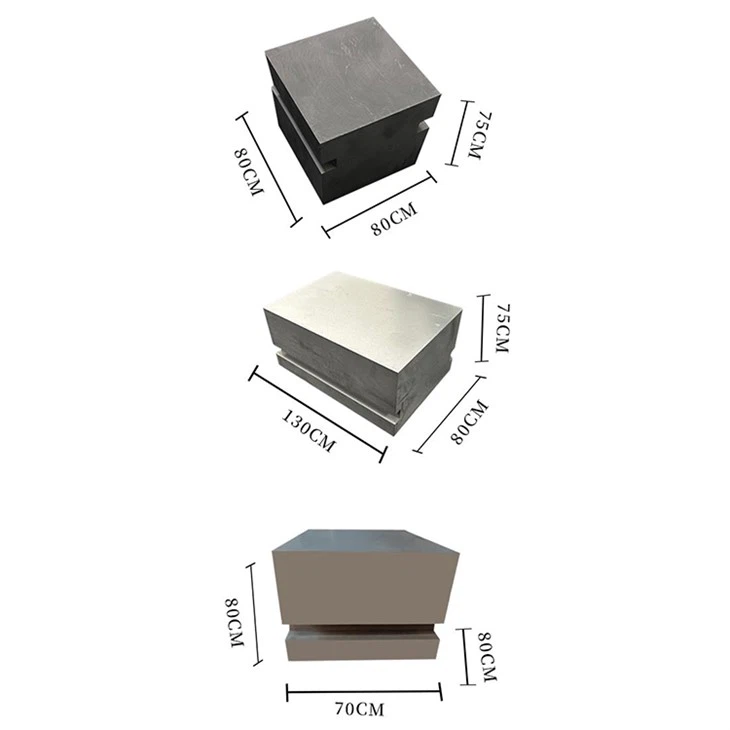

Whether you're a small - scale steel producer or a large industrial player, I'm here to help you navigate the volatile market of graphite electrodes. If you have any questions or are interested in purchasing graphite electrodes, don't hesitate to reach out. We can have a detailed discussion about your specific needs and come up with a customized solution that works for you.
In conclusion, the market price of graphite electrodes fluctuates due to a variety of factors, including raw material availability, demand from the steel industry, production capacity, and environmental regulations. As a supplier, I'm committed to providing the best products and services to my customers, regardless of the market conditions. So, if you're looking for a reliable supplier of graphite electrodes, let's start a conversation!
References
- Industry reports on the steel and graphite electrode markets
- News articles on raw material supply and geopolitical issues
- Interviews with industry experts and customers


