


Welding is a fundamental process in manufacturing, where two or more materials are joined together through the application of heat and pressure. Among the various welding techniques, spot welding is widely used in industries such as automotive, electronics, and aerospace due to its efficiency and reliability. As a leading spot welding machine supplier, we understand the critical role that welding time plays in determining the quality of the weld. In this blog post, we will explore how welding time affects welding quality and provide insights for optimizing the welding process.
Understanding Spot Welding
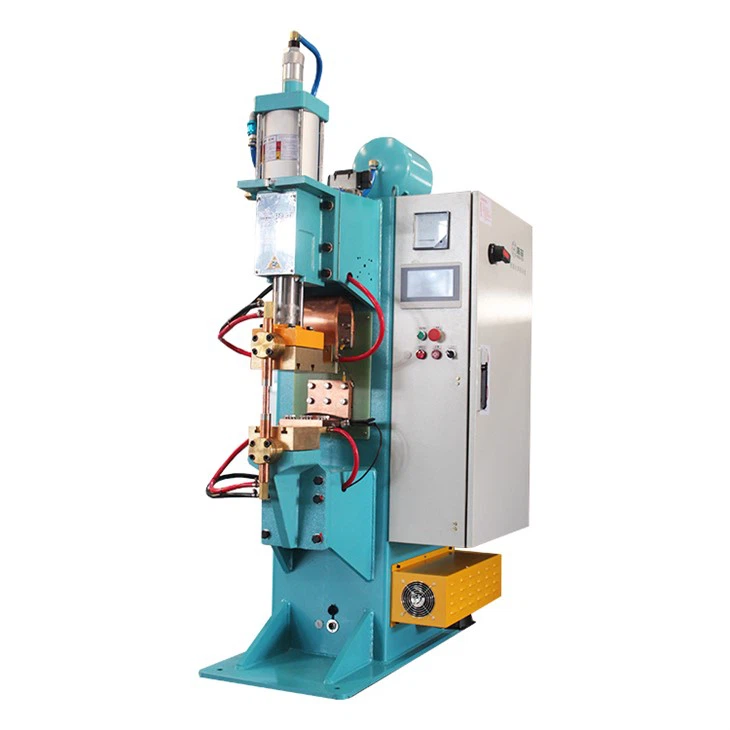
Spot welding is a resistance welding process that involves the use of electrodes to apply pressure and pass an electric current through the workpieces at the desired welding points. The heat generated by the electrical resistance at the contact points causes the materials to melt and form a weld nugget. Once the current is stopped, the molten metal solidifies, creating a strong bond between the workpieces.
The quality of a spot weld is determined by several factors, including the welding current, electrode force, and welding time. In this article, we will focus on the impact of welding time on the welding quality.
The Impact of Welding Time on Welding Quality
Welding time is a crucial parameter in spot welding, as it directly affects the amount of heat input into the workpieces. An appropriate welding time is necessary to ensure that the materials reach the melting point and form a sufficient weld nugget. However, if the welding time is too short or too long, it can lead to various quality issues.
Insufficient Welding Time
When the welding time is too short, the heat input may not be enough to melt the materials completely, resulting in a weak weld nugget. This can lead to several problems, including:
- Lack of Fusion: Insufficient heat can prevent the materials from melting and fusing together properly, resulting in a lack of fusion between the workpieces. This can cause the weld to fail under stress.
- Small Weld Nugget Size: A short welding time may not allow the weld nugget to grow to the desired size, reducing the strength and durability of the weld.
- Poor Weld Appearance: Incomplete fusion can also result in a poor weld appearance, with visible gaps or uneven surfaces.
Excessive Welding Time
On the other hand, if the welding time is too long, it can lead to excessive heat input, which can cause several quality issues, including:
- Overheating and Burn - Through: Excessive heat can cause the materials to overheat and even burn through, resulting in a hole in the workpiece. This can weaken the structure and compromise the integrity of the weld.
- Large Heat - Affected Zone (HAZ): A long welding time increases the size of the heat - affected zone, which is the area around the weld where the material properties have been altered due to the heat. A large HAZ can lead to reduced strength, hardness, and corrosion resistance in the surrounding area.
- Electrode Wear: Prolonged exposure to high temperatures can accelerate electrode wear, reducing the electrode's lifespan and increasing the cost of production.
Optimizing Welding Time for Different Spot Welding Machines
As a spot welding machine supplier, we offer a range of spot welding machines, including Capacitor Discharge Welder, Servo - motorized Welder, and MFAC Inverter Spot Welder. Each type of machine has its own characteristics and requirements for welding time optimization.
Capacitor Discharge Welder
Capacitor discharge welders store electrical energy in capacitors and release it rapidly during the welding process. These welders are known for their short welding times, typically in the range of milliseconds. The short welding time is ideal for welding thin materials, as it minimizes the heat - affected zone and reduces the risk of burn - through.
To optimize the welding time for capacitor discharge welders, it is important to adjust the capacitance and charging voltage according to the material thickness and type. A higher capacitance and voltage can increase the heat input, allowing for a shorter welding time.
Servo - motorized Welder
Servo - motorized welders use a servo motor to control the electrode force and movement. These welders offer precise control over the welding process, including the welding time. The welding time for servo - motorized welders can be adjusted based on the material properties, thickness, and desired weld quality.
For thicker materials, a longer welding time may be required to ensure sufficient heat input. However, it is important to monitor the heat - affected zone and electrode wear to avoid quality issues.
MFAC Inverter Spot Welder
MFAC inverter spot welders use an inverter power supply to provide a stable and controllable welding current. These welders are suitable for a wide range of materials and thicknesses. The welding time for MFAC inverter spot welders can be optimized by adjusting the current, frequency, and pulse duration.
By carefully controlling these parameters, it is possible to achieve a precise and consistent weld quality, regardless of the material type or thickness.
Factors to Consider When Determining Welding Time
In addition to the type of welding machine, several other factors should be considered when determining the optimal welding time, including:

- Material Type and Thickness: Different materials have different melting points and thermal conductivities, which affect the amount of heat required for welding. Thicker materials generally require longer welding times to ensure sufficient heat input.
- Electrode Material and Geometry: The electrode material and geometry can also affect the heat transfer and distribution during the welding process. For example, electrodes with a larger contact area can distribute the heat more evenly, reducing the need for a long welding time.
- Welding Current and Force: The welding current and force are closely related to the welding time. A higher welding current can reduce the required welding time, but it also increases the risk of overheating. Similarly, a higher electrode force can improve the electrical contact and heat transfer, allowing for a shorter welding time.
Quality Control and Monitoring
To ensure consistent welding quality, it is essential to implement a comprehensive quality control and monitoring system. This can include:
- Weld Inspection: Regularly inspect the welds for signs of defects, such as lack of fusion, porosity, or excessive heat - affected zone. Non - destructive testing methods, such as ultrasonic testing or X - ray inspection, can be used to detect internal defects.
- Process Monitoring: Monitor the welding parameters, including the welding time, current, and force, during the welding process. This can help identify any deviations from the optimal settings and allow for timely adjustments.
- Operator Training: Provide proper training to the operators to ensure that they understand the importance of welding time and other welding parameters. Well - trained operators are more likely to produce high - quality welds.
Conclusion
Welding time is a critical parameter in spot welding that significantly affects the welding quality. An appropriate welding time is necessary to ensure that the materials melt and fuse together properly, forming a strong and durable weld. Insufficient or excessive welding time can lead to various quality issues, such as lack of fusion, overheating, and electrode wear.
As a spot welding machine supplier, we understand the importance of optimizing the welding process for our customers. By choosing the right spot welding machine, considering the material properties and other factors, and implementing a comprehensive quality control system, it is possible to achieve consistent and high - quality welds.
If you are interested in learning more about our spot welding machines or need assistance in optimizing your welding process, we encourage you to contact us for a procurement consultation. Our team of experts is ready to help you find the best solution for your specific needs.
References
- Welding Handbook, American Welding Society.
- Principles of Resistance Welding, RWMA (Resistance Welding Manufacturers Alliance).
- Journal of Materials Processing Technology, various issues related to spot welding research.


