


Improving the weld bead appearance is a crucial aspect of welding operations, especially when using a welding electrode. As a welding electrode supplier, I understand the significance of achieving high - quality weld bead appearance not only for the aesthetic appeal but also for the structural integrity of the welded joints. In this blog, I will share some practical tips and techniques to enhance the weld bead appearance when using a welding electrode.
1. Selecting the Right Welding Electrode
The first step in improving the weld bead appearance is to choose the appropriate welding electrode for the job. Different electrodes are designed for specific applications, base metals, and welding positions. For example, if you are welding mild steel, an E6013 electrode is a popular choice due to its ease of use and good bead appearance. It produces a smooth, flat weld bead with minimal spatter.
On the other hand, for more demanding applications such as welding high - strength steels, an E7018 electrode might be more suitable. This electrode offers excellent mechanical properties and a consistent weld bead appearance. When selecting an electrode, consider factors such as the base metal composition, welding position (flat, horizontal, vertical, or overhead), and the required strength of the weld joint.
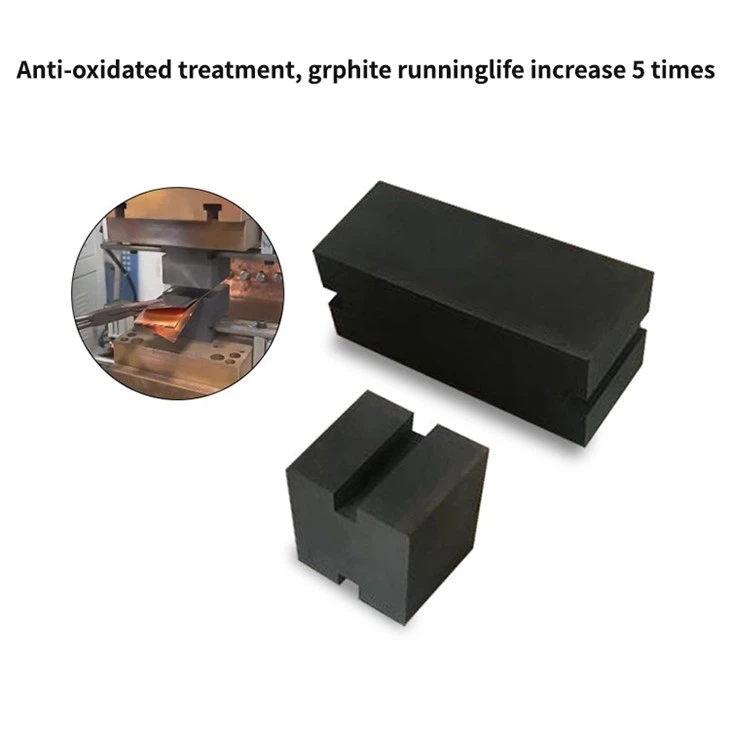
We offer a wide range of welding electrodes, including Spot Welding Electrode, Graphite Electrode, and Nut Electrode Positioning Pin, to meet various welding needs.
2. Preparing the Base Metal
Proper base metal preparation is essential for achieving a good weld bead appearance. Before welding, the base metal should be cleaned thoroughly to remove any rust, oil, dirt, or paint. These contaminants can cause porosity, slag inclusions, and other defects in the weld bead.
You can use a wire brush, grinder, or chemical cleaning agents to clean the base metal. For rusty surfaces, a wire brush or grinder can be used to remove the rust layer until a clean, shiny metal surface is exposed. If the base metal has oil or grease, a degreaser can be used to clean it.
In addition to cleaning, the edges of the base metal should be properly beveled or prepared according to the welding requirements. A proper bevel ensures good fusion and penetration, resulting in a more uniform and aesthetically pleasing weld bead.
3. Welding Parameters
The welding parameters play a significant role in determining the weld bead appearance. The three main welding parameters are current, voltage, and travel speed.
Current
The welding current affects the penetration and bead width. A higher current will result in deeper penetration and a wider weld bead, while a lower current will produce a shallower penetration and a narrower bead. It is important to select the appropriate current based on the electrode size, base metal thickness, and welding position. For example, when welding thin materials, a lower current should be used to prevent burn - through, while for thicker materials, a higher current is required for proper penetration.
Voltage
The voltage controls the arc length and the shape of the weld bead. A higher voltage will result in a longer arc and a wider, flatter weld bead, while a lower voltage will produce a shorter arc and a narrower, more convex weld bead. The voltage should be adjusted to maintain a stable arc and achieve the desired weld bead appearance.
Travel Speed
The travel speed refers to the speed at which the welding electrode moves along the joint. A too - slow travel speed can cause excessive heat input, resulting in a wide, irregular weld bead with excessive spatter. On the other hand, a too - fast travel speed can lead to incomplete fusion and a narrow, uneven weld bead. The travel speed should be adjusted to ensure proper fusion and a consistent weld bead appearance.
4. Welding Technique
The welding technique also has a significant impact on the weld bead appearance. Here are some key points to keep in mind:
Electrode Angle
The electrode angle should be maintained at the correct position during welding. For most welding applications, the electrode should be held at an angle of about 10 - 15 degrees from the vertical in the direction of travel. This angle helps to control the molten metal flow and ensures good fusion between the electrode and the base metal.
Weaving Technique
When welding, a weaving technique can be used to widen the weld bead and improve its appearance. There are different types of weaving patterns, such as the straight - line weave, the zig - zag weave, and the circular weave. The choice of weaving pattern depends on the welding application and the desired weld bead width. For example, a straight - line weave is suitable for narrow weld beads, while a zig - zag or circular weave can be used to create wider weld beads.
Arc Length Control
Maintaining a consistent arc length is crucial for achieving a good weld bead appearance. An arc that is too long can cause spatter, porosity, and a rough weld bead surface. On the other hand, an arc that is too short can lead to electrode sticking and poor fusion. The arc length should be kept as short as possible without causing the electrode to stick to the base metal.
5. Post - Welding Treatment
After welding, post - welding treatment can be carried out to further improve the weld bead appearance. One common post - welding treatment is grinding or machining the weld bead to remove any excess metal, slag, or spatter. This can give the weld bead a smooth and uniform appearance.
Another post - welding treatment is heat treatment, which can be used to relieve residual stresses in the weld joint and improve its mechanical properties. Heat treatment can also help to reduce the hardness of the weld bead and make it more ductile.
Contact Us for Your Welding Electrode Needs
As a professional welding electrode supplier, we are committed to providing high - quality welding electrodes and excellent customer service. Whether you are looking for Spot Welding Electrode, Graphite Electrode, or Nut Electrode Positioning Pin, we have the right products for your welding applications.

If you have any questions or need further information about our welding electrodes, please feel free to contact us. We look forward to discussing your welding needs and helping you achieve the best weld bead appearance.
References
- AWS Welding Handbook, American Welding Society
- Welding Metallurgy and Weldability of Stainless Steels, John C. Lippold and David J. Kotecki
- Welding Technology, Richard A. Finch


