


Welding dissimilar metals is a complex and challenging task that has become increasingly important in various industries, from automotive manufacturing to electronics. As a spot welding electrode supplier, we have witnessed firsthand the difficulties that engineers and manufacturers face when attempting to weld different metals together. In this blog post, we will explore the challenges of welding dissimilar metals with a spot welding electrode and discuss some potential solutions.
Understanding the Basics of Spot Welding
Before delving into the challenges of welding dissimilar metals, it's essential to understand the basics of spot welding. Spot welding is a resistance welding process that joins two or more metal sheets together by applying pressure and an electric current through electrodes. The heat generated by the resistance to the electric current melts the metal at the contact points, creating a weld nugget. Once the current is stopped and the metal cools, the weld nugget solidifies, forming a strong bond between the sheets.
Challenges of Welding Dissimilar Metals
Different Melting Points
One of the most significant challenges of welding dissimilar metals is the difference in their melting points. For example, aluminum has a melting point of around 660°C, while steel has a melting point of approximately 1538°C. When attempting to spot weld these two metals together, it's challenging to find the right balance of heat input. If the heat is too low, the higher-melting-point metal (steel in this case) won't melt, resulting in a weak or incomplete weld. On the other hand, if the heat is too high, the lower-melting-point metal (aluminum) may overheat, causing it to splash, distort, or even vaporize.
Different Thermal Conductivities
Another challenge is the difference in thermal conductivities of dissimilar metals. Metals with high thermal conductivity, such as copper and aluminum, dissipate heat quickly, while metals with low thermal conductivity, like stainless steel, retain heat for longer periods. When spot welding dissimilar metals, the difference in thermal conductivity can lead to uneven heat distribution. This can cause the weld to be stronger on one side than the other or result in the formation of cracks due to thermal stress.
Formation of Intermetallic Compounds
When dissimilar metals are welded together, the high temperature and pressure can cause the atoms of the two metals to mix and form intermetallic compounds at the weld interface. These intermetallic compounds often have poor mechanical properties, such as brittleness and low ductility, which can significantly reduce the strength and reliability of the weld. For example, when welding aluminum to steel, the formation of aluminum-iron intermetallic compounds can lead to weld joint failure under stress.
Electrochemical Corrosion
Dissimilar metals have different electrochemical potentials, which can lead to galvanic corrosion when they are in contact with each other in the presence of an electrolyte, such as moisture or saltwater. In a spot weld joint, the interface between the two dissimilar metals provides an ideal environment for galvanic corrosion to occur. Over time, this corrosion can weaken the weld joint and compromise its integrity.
Solutions to the Challenges
Electrode Selection
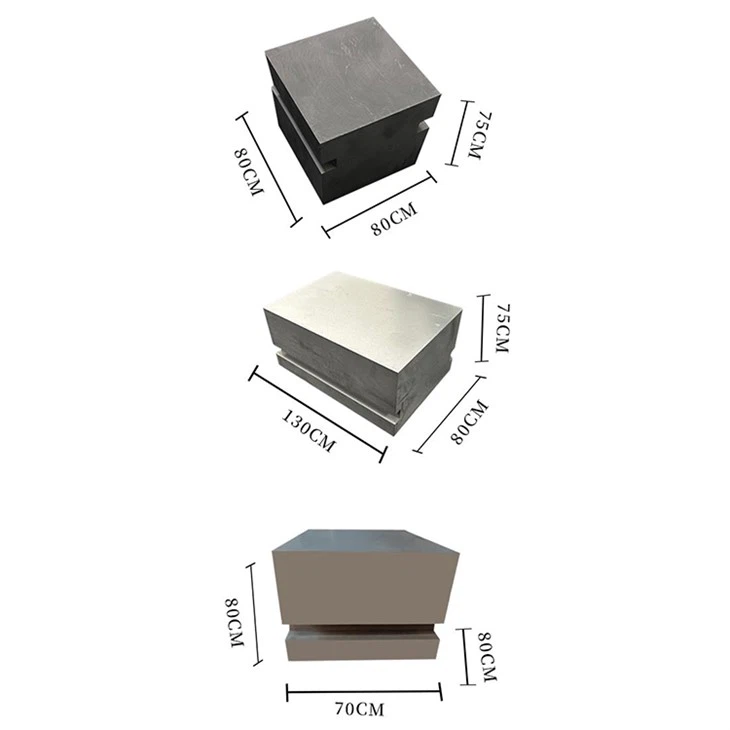
As a spot welding electrode supplier, we understand the importance of choosing the right electrode for welding dissimilar metals. The electrode material should have high thermal and electrical conductivity, good wear resistance, and the ability to withstand the high temperatures and pressures involved in the welding process. For example, copper-based electrodes are commonly used for spot welding due to their excellent thermal and electrical conductivity. However, for welding dissimilar metals, special electrode coatings or alloys may be required to improve the weld quality. You can explore our Graphite Electrode, which offers unique properties that can be beneficial for welding certain dissimilar metal combinations.
Welding Parameters Optimization
Optimizing the welding parameters, such as current, time, and pressure, is crucial for achieving a successful weld when working with dissimilar metals. The welding parameters need to be carefully adjusted to account for the differences in melting points, thermal conductivities, and other properties of the metals being welded. This often requires a series of trials and experiments to find the optimal settings. Advanced welding machines are equipped with features that allow for precise control of these parameters, which can help to improve the weld quality.
Surface Preparation
Proper surface preparation is essential for welding dissimilar metals. The surfaces of the metals to be welded should be clean, free of contaminants such as oil, grease, rust, and oxide layers. These contaminants can interfere with the welding process and lead to poor weld quality. Surface preparation techniques may include mechanical cleaning, such as grinding or sanding, or chemical cleaning, such as using solvents or acid etchants.
Use of Intermediate Layers
In some cases, using an intermediate layer between the dissimilar metals can help to overcome the challenges of welding. The intermediate layer can act as a buffer, reducing the formation of intermetallic compounds and improving the weldability. For example, a thin layer of a more compatible metal can be applied between aluminum and steel to facilitate the welding process.
Quality Control and Inspection
When welding dissimilar metals, it's crucial to implement a comprehensive quality control and inspection program. Non-destructive testing methods, such as ultrasonic testing, X-ray inspection, and dye penetrant testing, can be used to detect internal defects in the weld, such as cracks, porosity, or incomplete fusion. Destructive testing, such as tensile testing or microstructural analysis, can also be performed to evaluate the mechanical properties of the weld.
Conclusion
Welding dissimilar metals with a spot welding electrode presents numerous challenges, including differences in melting points, thermal conductivities, the formation of intermetallic compounds, and electrochemical corrosion. However, with the right approach, these challenges can be overcome. As a spot welding electrode supplier, we are committed to providing our customers with high-quality electrodes and technical support to help them achieve successful welds when working with dissimilar metals.
If you are facing challenges in welding dissimilar metals or are looking for high-quality spot welding electrodes, we invite you to contact us for procurement and further discussion. Our team of experts is ready to assist you in finding the best solutions for your specific welding needs.

References
- Metals Handbook: Welding, Brazing, and Soldering, ASM International
- Welding Metallurgy, John C. Lippold and David L. Kotecki
- Resistance Welding: Principles and Applications, George E. Totten and David L. Kotecki


