


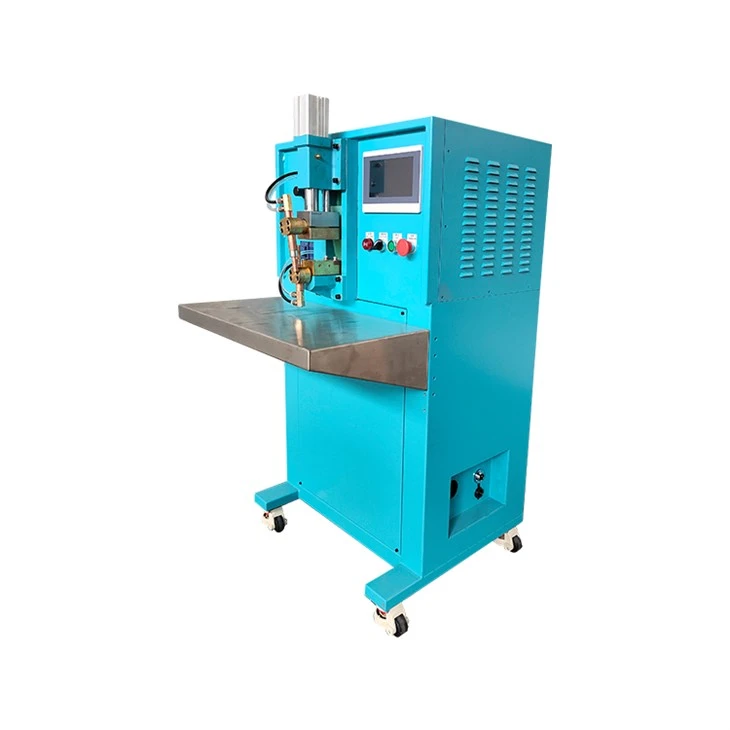
Arcing in a bench spot welder can be a real headache for anyone using these machines, whether you're a DIY enthusiast or a professional in a busy workshop. As a supplier of Bench Spot Welder, I've seen firsthand the issues that arcing can cause and have helped many customers solve them. In this blog, I'll break down the reasons behind arcing in bench spot welders and share some practical solutions.

What is Arcing in a Bench Spot Welder?
Before we dive into the causes and solutions, let's quickly understand what arcing is. In a bench spot welder, arcing is the visible electrical discharge that occurs between the electrodes and the workpiece. It looks like a bright spark or flash, and it's not just a light show. Arcing can lead to a bunch of problems, like poor weld quality, damage to the electrodes, and even pose a safety risk.
Reasons for Arcing in a Bench Spot Welder
1. Dirty or Worn Electrodes
One of the most common reasons for arcing is dirty or worn electrodes. Over time, electrodes can accumulate debris from the workpiece, such as metal shavings, oxides, or other contaminants. This buildup creates an uneven surface on the electrodes, which can cause the electrical current to concentrate in certain areas. When the current is concentrated, it can lead to arcing.
Worn electrodes also contribute to arcing. As electrodes wear down, their shape changes, and the contact area with the workpiece decreases. This reduction in contact area increases the current density, making it more likely for arcing to occur.
2. Incorrect Electrode Pressure
The pressure applied by the electrodes is crucial for a proper weld. If the electrode pressure is too low, there won't be enough contact between the electrodes and the workpiece. This can cause the electrical current to jump across the gap, resulting in arcing. On the other hand, if the pressure is too high, it can damage the electrodes or the workpiece, which can also lead to arcing.
3. High Welding Current
Using a welding current that is too high for the material or thickness of the workpiece can cause arcing. When the current is too high, it can create excessive heat, which can vaporize the metal and cause the electrical current to arc. This is especially true for thin materials, which are more sensitive to high currents.
4. Improper Workpiece Preparation
If the workpiece is not properly prepared, it can also lead to arcing. For example, if the surface of the workpiece is dirty, oily, or has a coating, it can interfere with the electrical contact between the electrodes and the workpiece. This can cause the current to arc as it tries to find a path through the contaminants.
5. Faulty Electrical Connections
Loose or corroded electrical connections can cause arcing in a bench spot welder. When the connections are not secure, the electrical current can encounter resistance, which can lead to arcing. Corroded connections can also reduce the conductivity of the electrical circuit, causing the current to arc.
How to Solve Arcing in a Bench Spot Welder
1. Clean and Replace Electrodes Regularly
To prevent arcing caused by dirty or worn electrodes, it's important to clean them regularly. You can use a wire brush or a dedicated electrode cleaning tool to remove any debris from the electrodes. If the electrodes are severely worn, it's best to replace them. New electrodes will provide a clean and even surface, which will help prevent arcing.
2. Adjust Electrode Pressure
Make sure the electrode pressure is set correctly for the material and thickness of the workpiece. Most bench spot welders have a pressure adjustment mechanism that allows you to increase or decrease the pressure. You can refer to the manufacturer's guidelines or do some test welds to find the optimal pressure for your specific application.
3. Adjust Welding Current
If you're experiencing arcing due to high welding current, try reducing the current. You can do this by adjusting the current setting on the welder. Start with a lower current and gradually increase it until you achieve a good weld without arcing. Remember to consider the material and thickness of the workpiece when setting the current.
4. Proper Workpiece Preparation
Before welding, make sure the workpiece is clean and free of contaminants. You can use a degreaser or a wire brush to clean the surface of the workpiece. If the workpiece has a coating, you may need to remove it to ensure a good electrical contact.
5. Check and Tighten Electrical Connections
Inspect all the electrical connections in the bench spot welder and make sure they are tight and free of corrosion. If you find any loose connections, tighten them using a wrench or a screwdriver. If the connections are corroded, you can clean them using a wire brush or replace the damaged parts.
Other Tips to Prevent Arcing
- Use the Right Electrodes: Make sure you're using the right type of electrodes for the material you're welding. Different materials require different electrode materials and shapes.
- Maintain a Stable Workpiece: Keep the workpiece stable during welding to ensure a consistent electrical contact between the electrodes and the workpiece. You can use clamps or fixtures to hold the workpiece in place.
- Follow Safety Procedures: Always follow the safety procedures when using a bench spot welder. Wear appropriate safety gear, such as gloves and goggles, and make sure the welder is properly grounded.
Conclusion
Arcing in a bench spot welder can be a frustrating problem, but it's usually caused by a few common issues that can be easily solved. By keeping your electrodes clean, adjusting the electrode pressure and welding current, properly preparing the workpiece, and checking the electrical connections, you can prevent arcing and achieve high-quality welds.
If you're still having trouble with arcing in your bench spot welder or if you're looking for a new welder, we're here to help. As a supplier of Bench Spot Welder, Dual Head Spot Welding Machines, and Double Head Spot Welder, we have a wide range of products to meet your needs. Contact us today to discuss your requirements and let's find the perfect solution for your welding projects.
References
- Welding Handbook, American Welding Society
- Resistance Welding Manual, RWMA (Resistance Welding Manufacturers Alliance)


