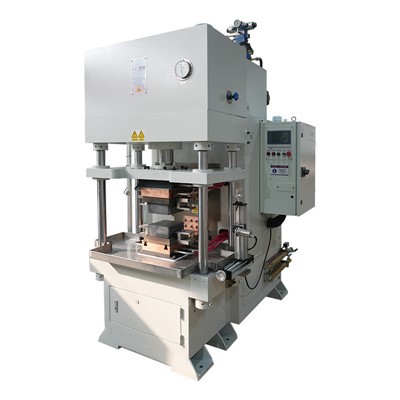
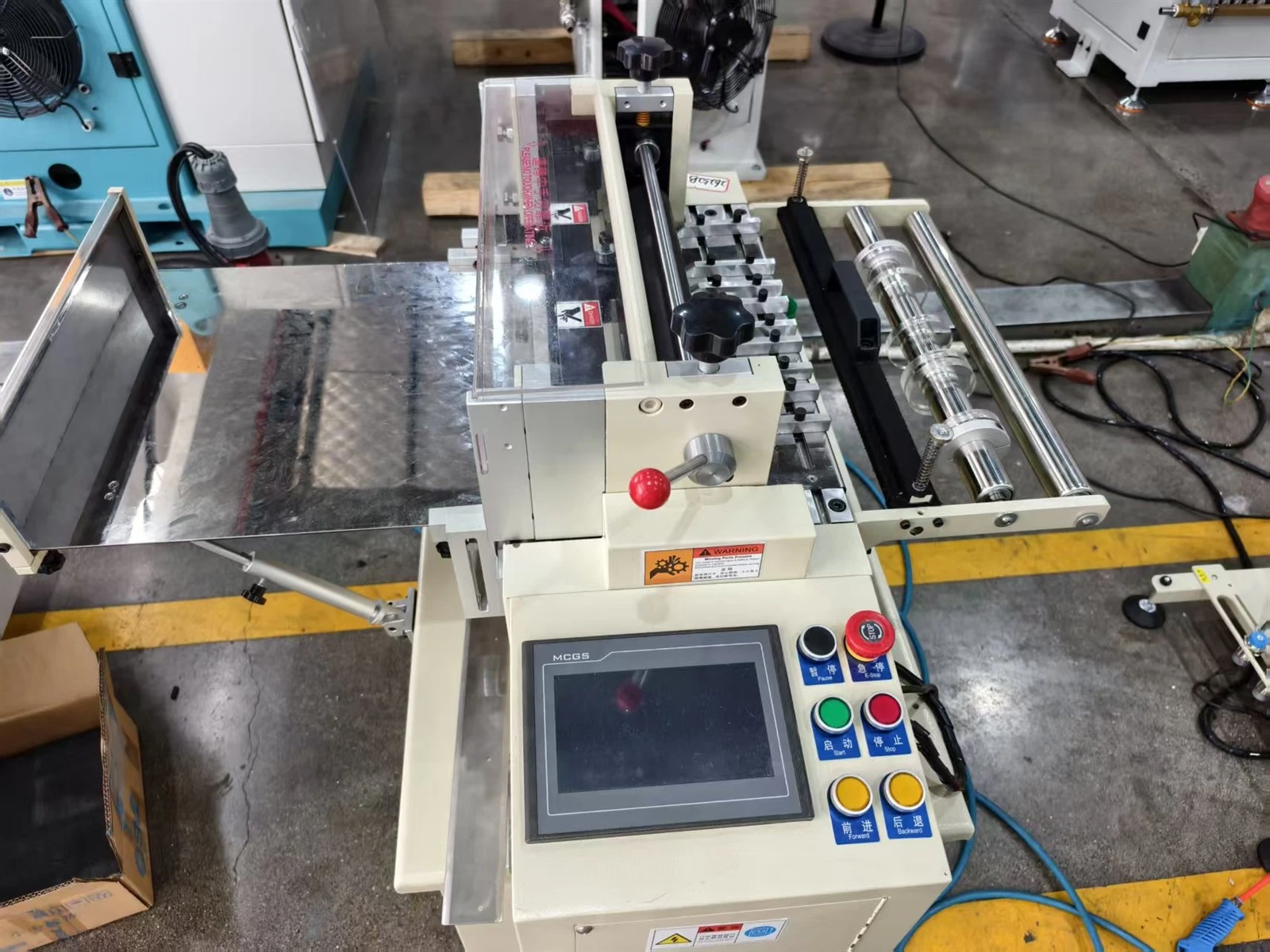
The HF-365FR is an automatic foil cutting machine designed for the cut-to-length processing of copper foil, aluminum foil, and other thin metal strips. It is mainly used to prepare foil layers for copper flexible busbars, aluminum flexible connectors, battery interconnects, and other laminated conductive components.
The machine combines PLC control, touchscreen operation, servo-driven feeding, and four-station material unwinding. Cutting length, batch quantity, and operating speed can be set directly through the touchscreen. Up to four rolls can be loaded and processed within the same cutting cycle, making the machine suitable for batch production involving multiple rolls of identical or similar foil.
Compared with manual measuring and cutting or processing one roll at a time, the HF-365FR helps reduce length variation, uneven edges, material handling, and operator-dependent errors. Incremental-length programming, production data retention, and pause-and-resume functions make it particularly suitable for preparing copper and aluminum foil before flexible busbar welding.

Why Flexible Busbar Production Requires a Dedicated Foil Cutting Machine
Copper and aluminum foil are thin, soft, and easily deformed. If feeding, material hold-down, or blade clearance is unstable, several problems can occur:
- Inconsistent foil lengths that prevent the layers from aligning correctly;
- Wrinkled, curled, or burred cut edges;
- Material drifting during feeding, resulting in angled cuts;
- Low productivity when rolls must be processed individually;
- Additional scrap after pausing or restarting production;
- Material mix-ups when different lengths are sorted manually.
The HF-365FR integrates roll unwinding, guiding, servo feeding, material clamping, and cut-to-length processing. Once the rolls are loaded and the production parameters are entered, the machine completes the cutting cycle automatically, reducing repeated manual measurement and operator-dependent variation.
Materials Suitable for the HF-365FR

The machine is designed primarily for cross-cutting thin metal supplied in rolls. Typical materials include:
- Bare copper foil;
- Tin-plated copper foil;
- Aluminum foil;
- Thin copper strip;
- Thin aluminum strip;
- Foil used in laminated flexible connectors;
- Other thin metal strips with verified thickness and hardness.
The standard material thickness range is 0.01–0.3 mm, with an effective cutting width of 1–365 mm. If the material has a coating, protective film, adhesive layer, or greater hardness than conventional copper or aluminum foil, sample cutting is recommended before the machine configuration is finalized.
The HF-365FR is not intended as a general-purpose cutting machine for thick copper busbars, aluminum plates, or battery-electrode slitting. Applications outside the standard thickness, width, or hardness range require a separate evaluation of the blade, hold-down mechanism, feeding system, and machine structure.
Typical Applications
Copper Foil Preparation for Flexible Busbars
Copper flexible busbars are commonly produced by stacking multiple layers of thin copper foil and joining both ends through diffusion welding, resistance welding, or another suitable process. The length and edge condition of each foil layer affect stacking, positioning, compression, and welding consistency.
The HF-365FR cuts copper foil continuously according to the programmed length and quantity, providing more consistent material for layer stacking, end alignment, and welding. Its four-station design also reduces the downtime associated with cutting multiple rolls separately.
Aluminum Foil Preparation for Flexible Connectors
Aluminum foil is soft and can easily wrinkle or move out of position during feeding. The combination of adjustable guides, material hold-down, and servo feeding helps keep the foil correctly positioned before it reaches the cutting blade.
Before batch production, sample cuts should be made according to the foil thickness, surface condition, roll tension, and target length. The feeding speed and hold-down setting can then be adjusted to match the material.
Battery Flexible Interconnects
In battery and energy storage applications, laminated copper or aluminum foil usually passes through several processes, including cut-to-length preparation, stacking, compression, welding, punching, and forming.
The HF-365FR can be installed at the beginning of a flexible interconnect production line and integrated with downstream foil stacking, diffusion welding, punching, and finishing equipment.
Electrical and Power Distribution Components
The machine can also prepare thin copper and aluminum strips used in switchgear, transformers, distribution equipment, and power electronics. Production parameters for frequently manufactured parts can be stored or re-entered quickly, reducing setup time when switching between specifications.
Main Functions and Design Features
PLC and Touchscreen Control
The operator can set the cutting length, production quantity, and operating speed through the touchscreen. Centralized parameter control makes trial runs, product changeovers, and batch production easier to manage.
The machine stops automatically when the programmed quantity has been completed, reducing counting errors and avoiding unnecessary overproduction.
Servo-Controlled Cut-to-Length Feeding
A servo motor and drive control the material feed length through the PLC program. This system is better suited to repeated production of different foil lengths than manual measuring or mechanical stops.
The standard cutting tolerance is ±0.05 mm. Actual results may vary depending on foil thickness, roll tension, surface condition, feeding speed, and programmed length.
Adjustable Material Guides
Metal guides can be adjusted to suit different material widths and keep the foil aligned as it enters the feeding and cutting sections.
After changing rolls, the guide clearance should be checked. Excessive clearance may allow the material to drift, while insufficient clearance may damage the foil edges or increase feeding resistance.
Coordinated Material Clamping and Cutting
A dedicated hold-down mechanism secures the material before the blade moves, reducing the likelihood of thin foil shifting or wrinkling during cutting.
The cutting blade is made from alloy steel and precision-ground. Correct blade clearance, clamping pressure, and maintenance intervals help maintain a clean cut while reducing burrs and curled edges.
Rigid, Integrated Machine Structure
The blade holder and main machine frame use an integrated structural design, with thick steel plates providing rigidity during each cutting cycle.
A stable frame helps limit cutting deviation caused by vibration or structural deformation during long-term operation.
Cooling for Continuous Operation
Cooling fans help control the temperature of the electrical and drive components during extended production runs. Adequate ventilation should be maintained around the machine, and dust should be removed regularly from the fans, filters, and electrical cabinet.


Products Description
|
Component |
Brand |
Origin |
|
Touch Screen |
Kunlun Tongtai (MCGS) |
China |
|
PLC |
Mitsubishi |
Japan |
|
AC Motor |
Liming |
Taiwan, China |
|
Cutting Blade |
Daido |
Japan |
|
Servo Driver |
Tonghang |
China |
|
Servo Motor |
Tonghang |
China |
|
Relay |
Schneider |
France |
Electrical components and machine structures may be updated as part of ongoing product development. The final configuration is subject to the technical agreement and order documents approved by both parties.
Technical Specifications
|
Parameter |
Specification |
|
Model |
HF-365FR |
|
Cutting Length |
1 – 9999.9 mm |
|
Cutting Width |
1 – 365 mm |
|
Cutting Efficiency |
1 – 1200 pcs/min (Adjustable) |
|
Cutting Accuracy |
±0.05 mm |
|
Cutting Thickness |
0.01 – 0.3 mm |
|
Max. Material Rack Load |
50 kg (Single axis) |
|
Material Inner Diameter |
74-79 mm |
|
Total Power |
3.6 kW |
|
Voltage |
220V |
|
Weight |
380 kg |
|
Dimensions (L×W×H) |
2500 × 1000 × 1200 mm |
The stated cutting rate is the adjustable operating range of the machine and does not mean that maximum output can be achieved with every material or cutting length. Actual production speed depends on the foil length, width, thickness, number of rolls being processed, and material collection method.
Production Problems the HF-365FR Helps Address
Inconsistent Lengths Caused by Manual Measurement
Servo-controlled feeding allows the machine to repeat the programmed cutting length, reducing the dimensional variation associated with tape measurement, manual stops, or operator judgment.
01
Poor Alignment of Stacked Foil Layers
More consistent foil lengths make stacking and end positioning easier. For curved flexible connectors, incremental-length programming can also provide the necessary compensation between layers.
02
Time Lost When Processing Rolls Individually
Four material stations allow multiple rolls to be loaded and processed within the same production cycle, improving preparation efficiency for laminated copper and aluminum flexible connectors.
03
Material Waste After Production Interruptions
Pause protection and data retention help the machine resume from the correct production point, reducing waste from repeated feeding, recounting, and additional setup cuts.
04
Unstable Material Preparation Before Welding
Consistent foil length, cut quality, and flatness provide a more reliable basis for subsequent stacking, clamping, diffusion welding, and punching. Although the cutting machine does not determine the final welding quality by itself, it reduces positioning problems caused by inconsistent upstream preparation.
05
Why Choose HAIFEI
HAIFEI supplies more than standalone copper foil cutting machines. Our experience also covers equipment for copper and aluminum flexible busbars, laminated conductive connectors, solid busbars, and other components used in electrical and new energy applications.
When selecting a machine, our engineers consider how the cutting process affects subsequent stacking and welding. Foil length, number of layers, stacking method, weld area, and finished-part geometry are reviewed together instead of selecting the machine solely by material width.
Available project support includes:
- Application review based on material specifications and product drawings;
- Trial cutting of copper and aluminum foil;
- Evaluation of incremental-length programs;
- Matching with downstream diffusion welding equipment;
- Customized unwind stands, material guides, and collection systems;
- Pre-shipment machine testing and sample approval;
- Installation, operation, and maintenance guidance;
- Spare blade and wear-part recommendations.
Certifications
We have served over 5,000+ customers worldwide, and our long-term partners include Tesla, BYD, and Siemens.
Over 50+ Fortune 500 companies.


Our Partners
40+ Patents and 2 National Software Copyrights, 10,000㎡ Factory with 100+ skilled employees.


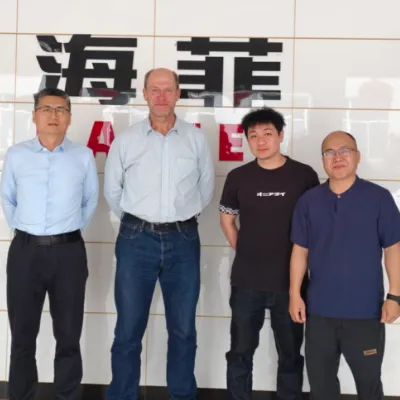
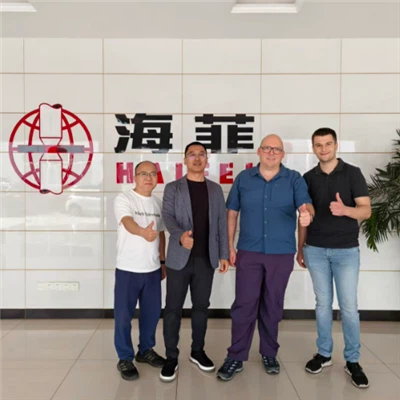
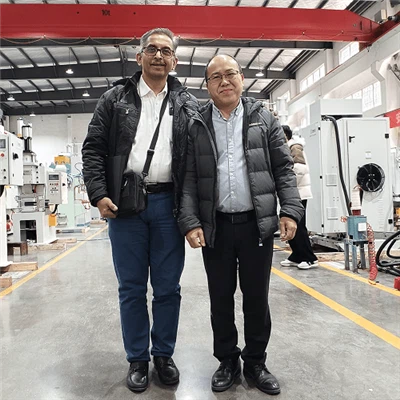
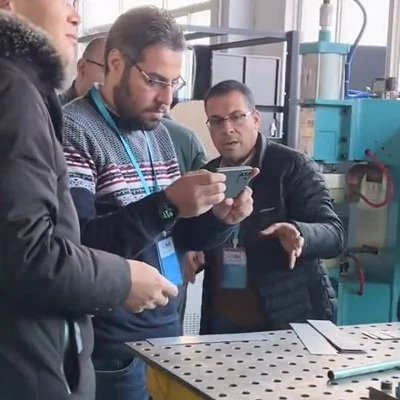
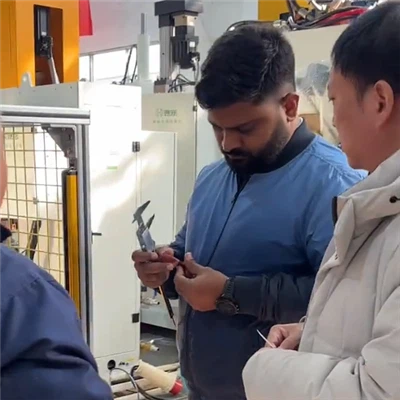
Customer site





FAQ
Q: Can the HF-365FR cut four rolls of copper foil at the same time?
A: Yes. The machine has four material unwinding stations and can process up to four rolls within the same cutting cycle. The roll width, weight, and arrangement must remain within the machine's effective capacity.
Q: Can this machine cut aluminum foil?
A: Yes. The HF-365FR is suitable for conventional copper and aluminum foil. Because aluminum foil is relatively soft, trial cutting is recommended to establish the correct feeding speed, guide clearance, and hold-down setting.
Q: What is the standard material thickness range?
A: The standard thickness range is 0.01–0.3 mm. Materials outside this range require a separate evaluation of the blade, feeding mechanism, and machine structure.
Q: Can the machine cut foil into different lengths?
A: Yes. Cutting length and quantity can be programmed through the touchscreen. Incremental-length cutting is also available for flexible connectors that require length compensation between layers.
Q: What cutting tolerance can the HF-365FR achieve?
A: The standard cutting tolerance is ±0.05 mm. Actual results depend on foil thickness, roll tension, surface condition, feeding speed, and cutting length.
Q: Will the cut copper foil have burrs?
A: The machine uses a material hold-down mechanism and an alloy-steel cutting blade to produce a clean edge when correctly adjusted. Blade wear, incorrect clearance, or irregular material may still affect edge quality, so routine inspection and maintenance are required.
Wuxi Haifei Intelligent Equipment Co., Limited is one of the leading manufacturers and suppliers of four-station automatic foil cutting machine in China. With abundant experience, we warmly welcome you to buy advanced four-station automatic foil cutting machine for sale here from our factory. Quality products and reasonable price are available.
Hot Tags: four-station automatic foil cutting machine, China four-station automatic foil cutting machine manufacturers, suppliers, factory, Automatic Copper Foil Cutter, industrial chiller for sale, hvac water chiller, industrial water cooled chiller, industrial water cooler machine, industrial chilled water systems