


When it comes to welding, choosing the right electrode grip is crucial for achieving high - quality welds, ensuring safety, and increasing productivity. As an electrode grip supplier, I understand the significance of this decision and am here to guide you through the process of selecting the appropriate electrode grip based on the welding position.
Understanding Welding Positions
Welding positions are classified into four main types: flat, horizontal, vertical, and overhead. Each position presents unique challenges and requires specific considerations when choosing an electrode grip.
Flat Welding Position
The flat welding position is the easiest and most common. In this position, the weld is made on a horizontal surface. Gravity helps the molten metal flow into the joint, making it ideal for beginners. When selecting an electrode grip for flat welding, factors such as comfort and ease of use are important. A lightweight and ergonomic electrode grip can reduce fatigue during long welding sessions. For example, a pistol - style electrode grip is often a popular choice as it provides a natural and comfortable hold, allowing the welder to have better control over the electrode.
Horizontal Welding Position
Horizontal welding involves welding on a vertical surface with the weld bead running horizontally. This position requires more skill than flat welding because the molten metal tends to sag due to gravity. To counteract this, an electrode grip that allows for precise control is essential. A straight - shank electrode grip can be a good option as it provides a stable and direct connection to the electrode, enabling the welder to maintain a consistent arc and prevent the molten metal from dripping.
Vertical Welding Position
Vertical welding is more challenging than flat and horizontal welding. There are two types of vertical welding: vertical up and vertical down. In vertical up welding, the welder moves the electrode upwards against gravity. This method is generally used for thicker materials as it provides better penetration. For vertical up welding, an electrode grip that offers good control and allows for a steady upward movement is necessary. A well - balanced electrode grip with a comfortable handle can help the welder maintain a consistent speed and arc length. In vertical down welding, the electrode is moved downwards with gravity, which is faster but may result in less penetration. An electrode grip that can handle the faster movement and provide stability is important.
Overhead Welding Position
Overhead welding is the most difficult welding position. The welder has to work against gravity, and there is a risk of molten metal dripping onto the welder. Therefore, an electrode grip that is lightweight and easy to maneuver is crucial. A compact and well - balanced electrode grip can reduce the strain on the welder's arm and provide better control in this challenging position.
Factors to Consider When Choosing an Electrode Grip
Compatibility with Electrodes
The electrode grip must be compatible with the type and size of the electrodes you are using. Different electrodes have different diameters and connection types. Make sure the electrode grip can securely hold the electrode without any looseness. For instance, if you are using Welding Electrode, ensure that the electrode grip is designed to fit its specific size and connection requirements.
Electrical Conductivity
Good electrical conductivity is essential for efficient welding. The electrode grip should be made of materials that can conduct electricity effectively to ensure a stable arc. High - quality copper alloys are commonly used in electrode grips due to their excellent electrical conductivity.
Heat Resistance
Welding generates a significant amount of heat, and the electrode grip needs to be able to withstand high temperatures. Heat - resistant materials such as heat - treated steel or special polymers can be used to prevent the electrode grip from deforming or melting during welding.
Ergonomics
Ergonomics plays a vital role in the selection of an electrode grip. A comfortable grip can reduce fatigue and improve the welder's performance. Look for electrode grips with contoured handles, anti - slip surfaces, and a design that fits the natural shape of the hand.
Durability
The electrode grip should be durable enough to withstand the rigors of welding. It should be able to resist wear and tear, impacts, and corrosion. A well - made electrode grip can last for a long time, reducing the need for frequent replacements.
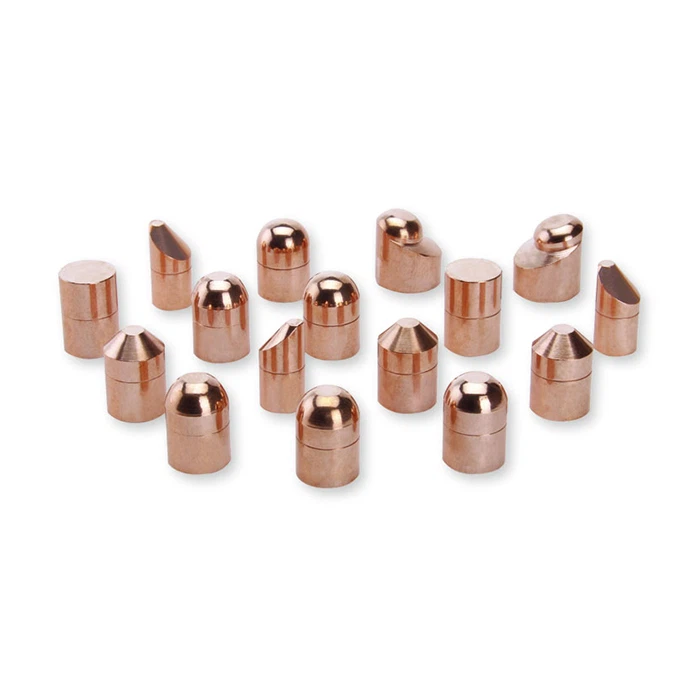
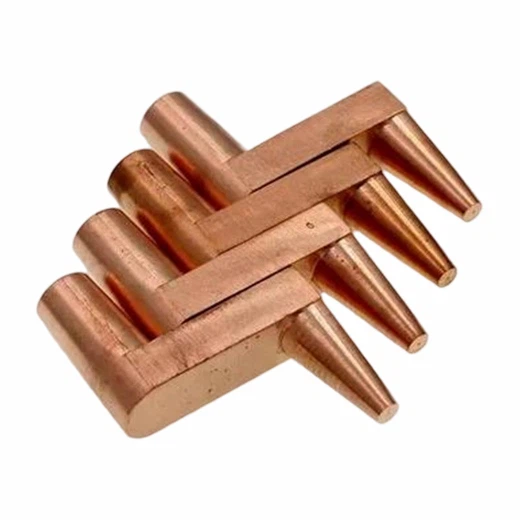
Specific Electrode Grips for Different Welding Positions
For Flat Welding
As mentioned earlier, a pistol - style electrode grip is a great choice for flat welding. It offers a comfortable hold and allows for easy movement of the electrode. Some pistol - style electrode grips also come with adjustable features, such as the ability to change the angle of the electrode, which can be useful for different welding tasks.
For Horizontal Welding
A straight - shank electrode grip is often preferred for horizontal welding. It provides a stable connection to the electrode and allows for precise control. Some straight - shank electrode grips are also designed with a swivel feature, which can make it easier to adjust the position of the electrode during welding.
For Vertical Welding
For vertical up welding, an electrode grip with a balanced design and a comfortable handle is essential. Some electrode grips are specifically designed for vertical welding, with features that help the welder maintain a consistent upward movement. For vertical down welding, a lightweight and easy - to - maneuver electrode grip can be beneficial.
For Overhead Welding
In overhead welding, a compact and lightweight electrode grip is the key. Some electrode grips are designed with a reduced size and weight, making them easier to handle in the overhead position. They also often have a secure locking mechanism to prevent the electrode from falling out.
Importance of Quality Electrode Grips
Using high - quality electrode grips can have a significant impact on the welding process. A good electrode grip can improve the quality of the weld, increase productivity, and enhance the safety of the welder. Inferior electrode grips may cause issues such as poor electrical contact, overheating, and difficulty in controlling the electrode, which can lead to defective welds and potential safety hazards.
Conclusion
Choosing the right electrode grip based on the welding position is a critical decision for any welder. By considering factors such as compatibility, electrical conductivity, heat resistance, ergonomics, and durability, you can select an electrode grip that meets your specific needs. As an electrode grip supplier, we offer a wide range of high - quality electrode grips suitable for different welding positions. Whether you need a pistol - style grip for flat welding, a straight - shank grip for horizontal welding, or a compact grip for overhead welding, we have the right solution for you.
If you are interested in our electrode grips or have any questions about choosing the right one for your welding needs, please feel free to contact us for a purchase consultation. We are committed to providing you with the best products and services to ensure your welding projects are successful.
References
- American Welding Society. (20XX). Welding Handbook.
- AWS D1.1 Structural Welding Code - Steel.


