


Maintaining an ultrasonic welding machine is crucial for ensuring its long - term performance, reliability, and efficiency. As a supplier of ultrasonic welding machines, I've seen firsthand how proper maintenance can save businesses a lot of time and money. In this blog, I'll share some practical tips on how to keep your ultrasonic welding machine in top - notch condition.
Regular Cleaning
One of the simplest yet most effective ways to maintain an ultrasonic welding machine is through regular cleaning. Over time, dust, debris, and welding residues can accumulate on the machine's components, which may affect its performance.
Start by disconnecting the machine from the power source to ensure your safety. Use a soft, dry cloth to wipe down the exterior of the machine. Pay special attention to the control panel and display screen. For stubborn dirt, you can slightly moisten the cloth with a mild cleaning solution, but make sure it's not too wet to avoid damage to the electrical parts.
The welding horn, also known as the sonotrode, is a critical component. It should be cleaned regularly to prevent contamination. You can use a non - abrasive cleaner and a soft brush to gently remove any debris. Avoid using sharp tools that could scratch the surface of the horn, as scratches can lead to uneven welding and reduced efficiency.
Inspection of Electrical Components
Electrical problems can cause significant issues with an ultrasonic welding machine. Regularly inspect all the electrical cables and connectors for signs of wear, fraying, or damage. If you notice any problems, replace the cables or connectors immediately.
Check the power supply unit to ensure it's functioning properly. Look for any signs of overheating, such as a burning smell or discoloration. Make sure the fuses are in good condition and of the correct rating. A blown fuse can indicate an underlying electrical problem, so if a fuse blows, don't just replace it; investigate the cause.
The control board is another important part of the machine. Keep it clean and free from dust. If you're not experienced with electrical work, it's best to have a professional technician inspect the control board periodically.
Lubrication
Some parts of the ultrasonic welding machine may require lubrication to operate smoothly. Check the machine's manual to identify which components need lubrication and what type of lubricant to use.
For example, the linear guides and bearings may need to be lubricated regularly. Use a high - quality lubricant recommended by the manufacturer. Over - lubrication can be just as bad as under - lubrication, so follow the recommended amount and frequency.
Alignment and Calibration
Proper alignment and calibration are essential for accurate and consistent welding. The welding horn should be properly aligned with the anvil to ensure even pressure and good weld quality.
Regularly check the alignment of the horn using the machine's alignment tools. If the horn is misaligned, it can cause uneven welding, excessive wear on the horn, and even damage to the machine.
Calibration of the ultrasonic generator is also crucial. The generator controls the frequency and power of the ultrasonic waves. Over time, the calibration may drift, leading to inconsistent welding results. Have the generator calibrated by a professional technician at regular intervals.
Monitoring of Operating Conditions
Keep an eye on the operating conditions of the ultrasonic welding machine. Monitor the temperature, humidity, and voltage of the environment where the machine is located.
High temperatures can cause the machine's components to overheat, while high humidity can lead to corrosion. Make sure the machine is installed in a well - ventilated area with stable environmental conditions.

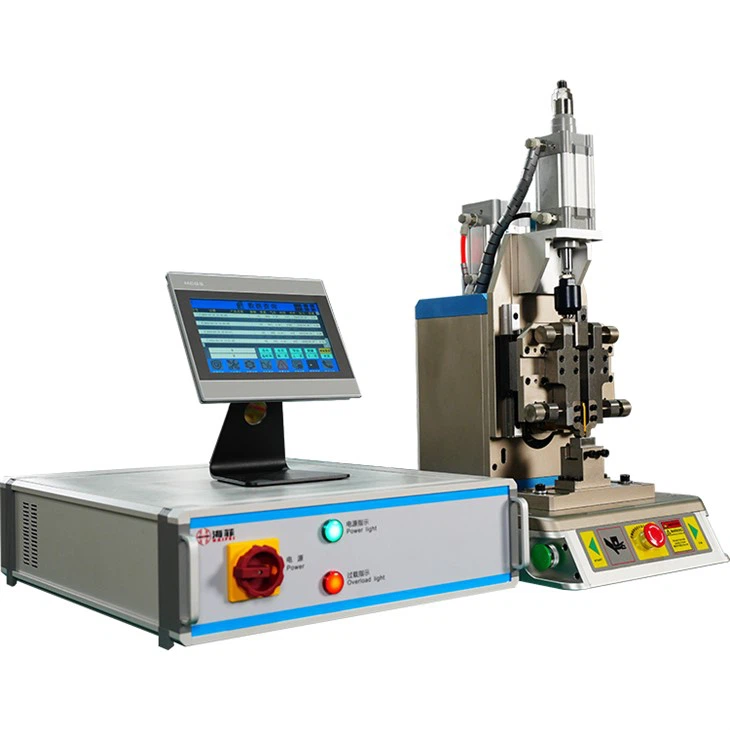
Monitor the voltage of the power supply. Fluctuations in voltage can affect the performance of the machine. Consider using a voltage stabilizer to ensure a consistent power supply.
Replacement of Wear Parts
Wear parts are components that are designed to wear out over time. These include the welding tips, diaphragms, and seals. Regularly inspect these parts and replace them when they show signs of excessive wear.
Using worn - out parts can lead to poor welding quality, increased energy consumption, and potential damage to other components of the machine. Keep a stock of commonly used wear parts so that you can replace them quickly when needed.
Training for Operators
Proper training for operators is an important part of maintaining an ultrasonic welding machine. Operators should be trained on how to use the machine correctly, how to perform basic maintenance tasks, and how to identify early signs of problems.
A well - trained operator can prevent many common issues by following the correct operating procedures. They can also detect problems early and report them, which can save time and money on repairs.
Different Types of Ultrasonic Welding Machines
We offer a variety of ultrasonic welding machines, such as the Ultrasonic Spot Welder, Ultrasonic Seam Welder, and Ultrasonic Wire Harness Terminal Welder. Each type has its own unique maintenance requirements, but the general principles of cleaning, inspection, and lubrication apply to all of them.
Conclusion
Maintaining an ultrasonic welding machine is not a one - time task but an ongoing process. By following these tips, you can extend the lifespan of your machine, improve its performance, and reduce the risk of breakdowns.
If you're in the market for a new ultrasonic welding machine or need more information on maintenance, feel free to contact us. We're here to help you make the best decision for your business and ensure that your machine operates at its best for years to come.
References
- Manufacturer's manuals for ultrasonic welding machines
- Industry best practices for ultrasonic welding machine maintenance


