


Graphite electrodes are a critical component in many industrial processes, especially in electric arc furnaces (EAFs) and other high - temperature applications. As a supplier of Graphite Electrode, I often get asked about the maximum temperature that graphite electrodes can withstand. In this blog, I'll delve into this topic in detail, exploring the factors that affect the temperature tolerance of graphite electrodes and their implications for various industries.
Understanding Graphite Electrodes
Graphite electrodes are made from high - quality petroleum coke and needle coke, which are baked and graphitized at extremely high temperatures. This manufacturing process gives graphite electrodes their unique properties, such as high electrical conductivity, thermal conductivity, and mechanical strength. These properties make them ideal for use in environments where high temperatures and electrical currents are present.
The Theoretical Maximum Temperature
Graphite has a very high melting point, approximately 3652 - 3697°C (6606 - 6687°F). In theory, graphite electrodes can withstand temperatures close to this melting point. However, in practical industrial applications, the maximum temperature that graphite electrodes can handle is significantly lower.
One of the main reasons for this is oxidation. Graphite starts to oxidize in the presence of oxygen at relatively low temperatures. In air, graphite begins to oxidize at around 400 - 500°C (752 - 932°F). As the temperature increases, the rate of oxidation accelerates. Oxidation causes the graphite to lose its mass and structural integrity, which can lead to electrode breakage and reduced performance.
Factors Affecting Temperature Tolerance
1. Oxidation Protection
To increase the temperature tolerance of graphite electrodes, oxidation protection coatings are often applied. These coatings act as a barrier between the graphite and oxygen, reducing the rate of oxidation. Some common oxidation protection coatings include silicon carbide (SiC) and boron - based compounds. With proper oxidation protection, graphite electrodes can withstand temperatures up to 2000 - 2500°C (3632 - 4532°F) in industrial applications.
2. Atmosphere
The atmosphere in which the graphite electrode operates also plays a crucial role in determining its temperature tolerance. In an inert atmosphere, such as argon or nitrogen, the oxidation of graphite is significantly reduced. In an inert atmosphere, graphite electrodes can approach their theoretical melting point. For example, in an argon - filled electric arc furnace, graphite electrodes can operate at temperatures close to 3000°C (5432°F).
3. Electrical Load
The electrical load on the graphite electrode can also affect its temperature tolerance. Higher electrical currents generate more heat within the electrode. If the heat generation rate exceeds the heat dissipation rate, the temperature of the electrode will rise rapidly. Excessive heat can cause thermal stress within the electrode, leading to cracking and breakage. Therefore, proper electrical load management is essential to ensure the safe operation of graphite electrodes at high temperatures.
Applications and Temperature Requirements
Electric Arc Furnaces (EAFs)
In electric arc furnaces, graphite electrodes are used to melt scrap metal. The temperature in an EAF can reach up to 1600 - 1800°C (2912 - 3272°F). Graphite electrodes in EAFs are designed to withstand these high temperatures while maintaining their electrical conductivity and mechanical strength. Oxidation protection is crucial in EAFs to prevent electrode wear and ensure efficient operation.
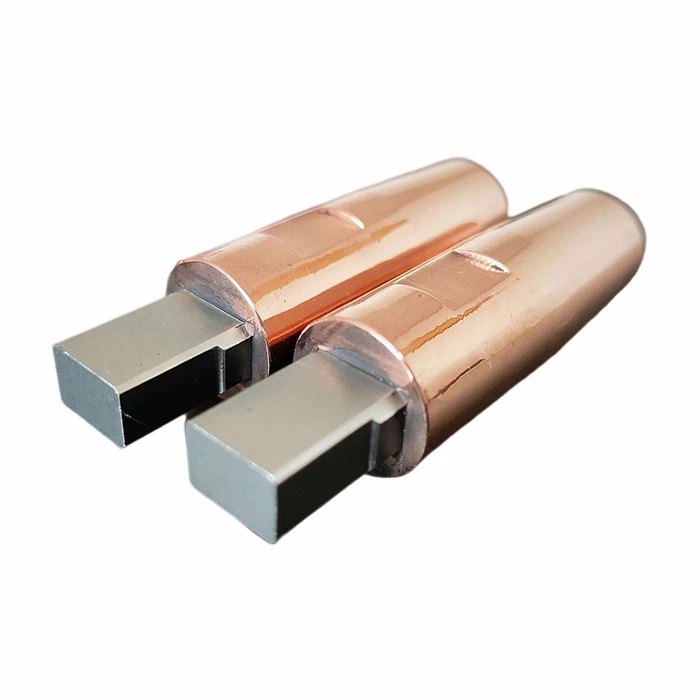
Spot Welding Electrode and Spot Welding Curved Electrode
Spot welding electrodes are used in the automotive and electronics industries to join metal parts. During spot welding, the electrodes are subjected to high temperatures for a short period. The temperature at the welding tip can reach up to 1000 - 1500°C (1832 - 2732°F). Graphite electrodes used in spot welding applications need to have good thermal conductivity and resistance to wear to ensure consistent welding quality.
Maintaining Graphite Electrodes at High Temperatures
To ensure the long - term performance of graphite electrodes at high temperatures, proper maintenance is essential. Here are some tips:
- Regular Inspection: Regularly inspect the electrodes for signs of oxidation, cracking, or wear. Replace damaged electrodes promptly to prevent further problems.
- Proper Storage: Store graphite electrodes in a dry and clean environment to prevent oxidation before use.
- Optimized Operating Conditions: Adjust the electrical load, atmosphere, and cooling system to ensure that the electrodes operate within their temperature limits.
Conclusion
While graphite has a very high theoretical melting point, the practical maximum temperature that graphite electrodes can withstand is affected by factors such as oxidation, atmosphere, and electrical load. With proper oxidation protection and in the right operating conditions, graphite electrodes can withstand temperatures up to 2000 - 2500°C (3632 - 4532°F) in industrial applications.
As a supplier of graphite electrodes, we are committed to providing high - quality products that meet the specific temperature requirements of different industries. Whether you are in the steelmaking, automotive, or electronics industry, our graphite electrodes are designed to deliver reliable performance at high temperatures.
If you are interested in purchasing graphite electrodes for your industrial applications, please feel free to contact us for more information and to discuss your specific needs. We look forward to the opportunity to work with you and provide you with the best graphite electrode solutions.

References
- Reed, J. S. (1995). Introduction to the principles of ceramic processing. Wiley.
- Schneider, H., & Schwetz, K. A. (2004). Carbon and graphite handbook. William Andrew Publishing.
- Upadhyaya, H. M. (2012). High - temperature materials and coatings. Woodhead Publishing.


