


Graphite electrodes are indispensable components in the chemical industry, playing a multifaceted and pivotal role. As a leading graphite electrode supplier, I have witnessed firsthand how these remarkable materials contribute to various chemical processes, driving innovation and efficiency across the sector.
The Basics of Graphite Electrodes
Graphite electrodes are made from high - quality petroleum coke and needle coke, which are baked and graphitized at extremely high temperatures. This process endows graphite electrodes with excellent electrical conductivity, high thermal resistance, and mechanical strength. These properties make them ideal for use in environments where extreme conditions prevail, such as high - temperature furnaces and electrolytic cells.
Role in Electric Arc Furnaces (EAFs)
One of the most prominent applications of graphite electrodes in the chemical industry is in electric arc furnaces. EAFs are widely used for steelmaking and the production of other metals. In an EAF, graphite electrodes are used to conduct electricity and create an arc between the electrodes and the metal charge. The intense heat generated by the arc, which can reach temperatures of up to 3000°C, melts the metal scrap or ore.
The high electrical conductivity of graphite electrodes ensures efficient energy transfer, reducing energy consumption and production costs. Moreover, their ability to withstand high temperatures without significant degradation means that they can operate continuously in the harsh environment of an EAF. This reliability is crucial for maintaining the productivity of steel and metal production facilities. For example, in large - scale steel plants, a single EAF can consume several graphite electrodes per day, and any interruption in the electrode supply can lead to costly production delays.
Role in Electrochemical Processes
Graphite electrodes also play a vital role in electrochemical processes. In electrolysis, which is used for the production of various chemicals such as chlorine, caustic soda, and aluminum, graphite electrodes serve as either anodes or cathodes.
In the chlor - alkali process, for instance, graphite anodes are used in diaphragm cells to electrolyze brine (sodium chloride solution). During the electrolysis, chloride ions are oxidized at the anode to produce chlorine gas, while sodium ions combine with water at the cathode to form sodium hydroxide and hydrogen gas. The chemical reactions are as follows:
Anode reaction: (2Cl^- \rightarrow Cl_2+ 2e^-)
Cathode reaction: (2H_2O + 2e^- \rightarrow H_2+ 2OH^-)
Graphite's chemical inertness makes it resistant to the corrosive effects of the electrolyte and the reaction products. This property ensures a long service life for the electrodes and reduces the need for frequent replacements. Additionally, its good electrical conductivity allows for efficient electron transfer, facilitating the electrochemical reactions.
Role in Welding Applications
In the welding industry, which is closely related to the chemical industry in terms of metal processing, graphite electrodes are also utilized. Electrode Grip is an important accessory that holds the graphite electrode in place during welding operations.
Graphite electrodes can be used in spot welding applications. Spot Welding Curved Electrode and Spot Welding Electrode are designed to create a high - intensity heat at the welding points. When an electric current passes through the graphite electrodes, the heat generated at the contact points between the electrodes and the metal pieces causes the metal to melt and fuse together. This method is widely used in the automotive, aerospace, and electronics industries for joining metal components.
Quality and Supply Considerations
As a graphite electrode supplier, I understand the importance of providing high - quality products. The quality of graphite electrodes can significantly impact the performance of the chemical processes in which they are used. Factors such as density, resistivity, and ash content need to be carefully controlled during the manufacturing process.

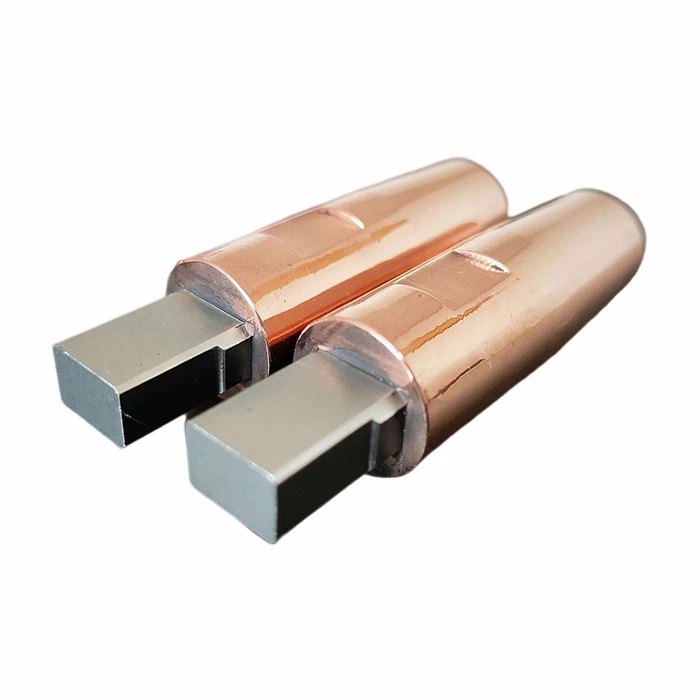
We ensure that our graphite electrodes are produced using the latest technologies and strict quality control measures. Our production facilities are equipped with advanced equipment for raw material processing, baking, and graphitization. This allows us to produce electrodes with consistent quality and performance.
In addition to quality, a reliable supply chain is essential. The chemical industry operates on a tight schedule, and any disruption in the electrode supply can have a significant impact on production. We have established a comprehensive supply chain management system to ensure timely delivery of our products. Our inventory management system monitors stock levels in real - time, and we have strategic partnerships with transportation companies to ensure fast and efficient delivery.
Environmental and Safety Aspects
In recent years, environmental and safety concerns have become increasingly important in the chemical industry. Graphite electrodes, although generally considered to be environmentally friendly compared to some other materials, still require proper handling and disposal.
During the production of graphite electrodes, measures are taken to reduce emissions of pollutants such as dust and volatile organic compounds. In the workplace, safety protocols are in place to protect workers from potential hazards associated with handling graphite electrodes, such as dust inhalation and electrical shock.
Future Trends
The future of graphite electrodes in the chemical industry looks promising. With the continuous development of new technologies, the demand for high - performance graphite electrodes is expected to increase. For example, the growing trend towards more energy - efficient and environmentally friendly chemical processes will drive the need for graphite electrodes with even better electrical conductivity and thermal resistance.
In addition, the development of new applications, such as in advanced battery technologies and fuel cells, may open up new markets for graphite electrodes. As the chemical industry continues to evolve, graphite electrodes will undoubtedly play an even more important role in shaping its future.
Conclusion
In conclusion, graphite electrodes are of utmost importance in the chemical industry. Their unique properties make them essential for a wide range of applications, from steelmaking in electric arc furnaces to electrochemical processes and welding. As a graphite electrode supplier, I am committed to providing high - quality products and reliable supply services to meet the needs of the chemical industry.
If you are in the chemical industry and are looking for a reliable graphite electrode supplier, we would be more than happy to discuss your requirements. Our team of experts can provide you with detailed information about our products and help you find the best solutions for your specific applications. Contact us to start a procurement negotiation and take your chemical processes to the next level.
References
- Kirk - Othmer Encyclopedia of Chemical Technology
- Ullmann's Encyclopedia of Industrial Chemistry
- Journal of Electrochemical Society
- Industrial and Engineering Chemistry Research


