

Diffusion bonding (or diffusion welding) is remarkably versatile and can join a wide range of materials, including dissimilar combinations
that are difficult or impossible to weld using conventional melting techniques. Here's a breakdown in plain terms:
✅ Materials That Bond Well
| Category | Examples | Why They Work |
|---|---|---|
| Similar Metals | Titanium & alloys (Ti-6Al-4V) | Atoms diffuse easily; oxide layers break under heat/pressure. |
| Nickel superalloys (Inconel) | High-temperature strength maintained; no melting defects. | |
| Copper & copper alloys | Excellent conductivity; ideal for electrical busbars, heat exchangers. | |
| Aluminum & alloys | Low melting point aids diffusion; avoids cracking from fusion welding. | |
| Dissimilar Metals | Copper to Aluminum | Avoids brittle intermetallics (if parameters are precise!). Key for busbars. |
| Steel to Titanium | Creates strong interfaces for aerospace hybrids. | |
| Tungsten to Copper | Heat sinks in power electronics (e.g., IGBT modules). | |
| Refractory Metals | Tungsten, Molybdenum, Tantalum | Extreme melting points make fusion welding impossible; diffusion works! |
| Ceramics | Alumina (Al₂O₃), Silicon Carbide (SiC) | Joins to metals or other ceramics for sensors, armor, or semiconductor tools. |
| Composites | C/C (Carbon-Carbon), SiC/SiC | Preserves fiber reinforcement; avoids melting damage. |
| Intermetallics | Titanium Aluminide (TiAl), Nickel Aluminides | Too brittle when melted; solid-state bonding retains properties. |

⚠️ Materials That Need Extra Care
| Material | Challenge | Solution |
|---|---|---|
| Stainless Steels | Chromium oxide layer resists diffusion. | Ultra-high vacuum or hydrogen atmosphere to remove oxides. |
| Aluminum | Tough, stable oxide layer (Al₂O₃). | Mechanical scrubbing + chemical etching before bonding. |
| Copper-Aluminum | Forms brittle CuAl₂ intermetallics. | Precise control of temp/time/pressure in HAIFEI machines to limit growth. |
| Magnesium | Flammable; oxides hard to remove. | Low-temperature bonding with high pressure. |

🔧 Key Requirements for ALL Materials
Surface Prep:
Must be atomically clean (no oils, oxides, contaminants).
Achieved via chemical etching, plasma cleaning, or mechanical polishing.
Heat:
Typically 50–90% of melting point (°C or K).
E.g., Copper: ~700°C; Titanium: ~850°C.
Pressure:
Enough to ensure intimate contact (5–20 MPa for metals).
Avoids distortion in thin parts.
Time:
Minutes to hours (longer for ceramics/dissimilar pairs).
Atmosphere:
Vacuum or inert gas (Argon) to prevent oxidation.
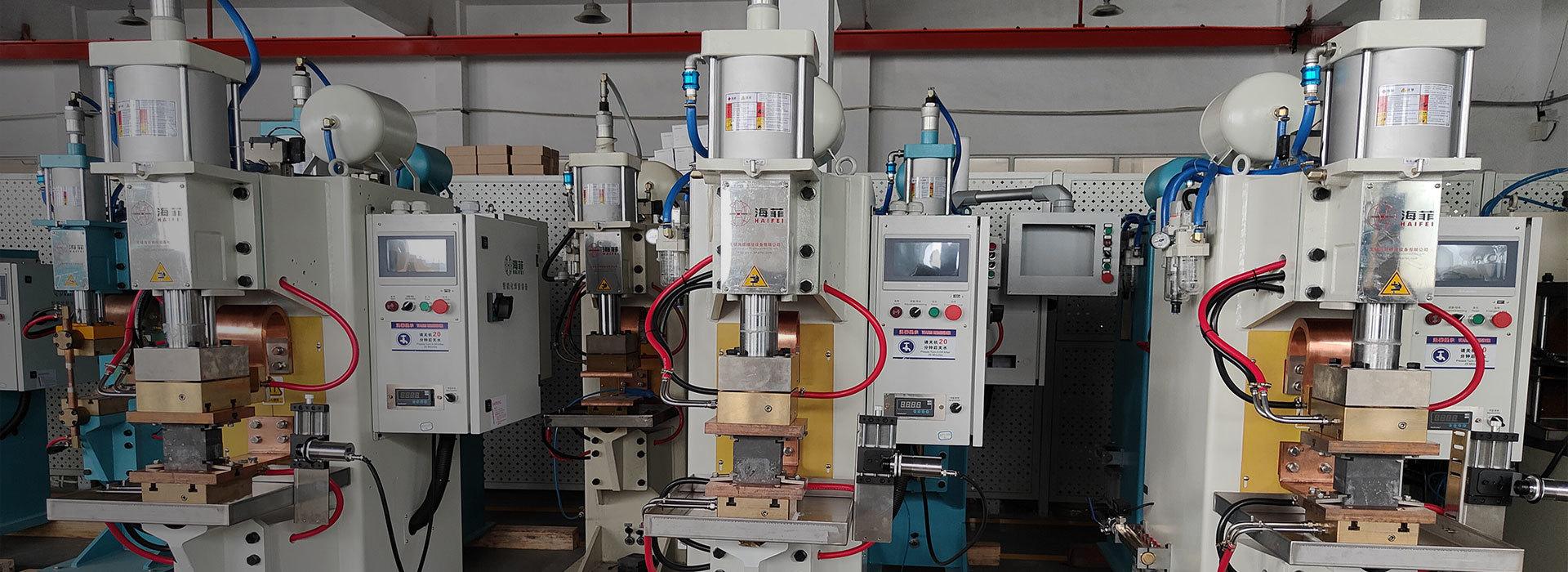
💡 Why Material Choice Matters in Industry
Electronics:
Copper-Ceramic bonds in power modules (HAIFEI machines enable high-current busbars).
Aerospace:
Titanium turbine blades + nickel alloys = lighter, stronger engines.
Nuclear/Energy:
Zirconium fuel cladding or tungsten-copper plasma-facing components.
EV Batteries:
Aluminum-to-copper diffusion bonds in flexible busbars carry current without heat buildup.
🚫 Materials That Rarely Bond Well
Lead, Zinc, Tin: Too low melting point; deform under pressure.
Most Polymers: Degrade at diffusion temperatures.
Highly Reactive Metals (e.g., Uranium): Require specialized facilities.
In short: Diffusion bonding works for metals, ceramics, composites, and dissimilar pairs where melting would cause damage. Success depends on:
① Surface cleanliness,
② Precise heat/pressure control (like HAIFEI systems use),
③ Patience! (Let atoms move slowly).
It's the go-to method for mission-critical joints in tech, energy, and aerospace! 🚀


