


Reading the specification on a welding electrode is a crucial skill for anyone involved in welding, whether you're a professional welder, a DIY enthusiast, or someone in the procurement department of a manufacturing company. As a welding electrode supplier, I understand the importance of being able to decipher these specifications accurately. In this blog post, I'll guide you through the process of reading and understanding the information provided on a welding electrode's specification sheet.
Understanding the Basics of Welding Electrode Specifications
Before we dive into the details, let's start with the basics. Welding electrode specifications are essentially a set of information that describes the characteristics, performance, and recommended applications of a particular electrode. This information is crucial for ensuring that you select the right electrode for your welding project, as using the wrong electrode can lead to poor weld quality, increased costs, and even safety hazards.
Identification and Classification
The first thing you'll notice on a welding electrode's specification sheet is its identification number. This number is used to classify the electrode according to its type, composition, and intended use. In the United States, the American Welding Society (AWS) has established a standard system for classifying welding electrodes. For example, an E6010 electrode is a commonly used electrode in shielded metal arc welding (SMAW). The "E" stands for electrode, "60" indicates the minimum tensile strength of the weld metal in thousands of pounds per square inch (ksi), "1" represents the welding position (in this case, all positions), and "0" refers to the type of coating and the welding current (in this case, direct current electrode negative).
Chemical Composition
Another important aspect of the specification is the chemical composition of the electrode. The chemical composition of the electrode directly affects the properties of the weld metal, such as its strength, ductility, and corrosion resistance. The specification sheet will typically list the percentages of various elements present in the electrode, such as carbon (C), manganese (Mn), silicon (Si), sulfur (S), and phosphorus (P). For example, a low-carbon steel electrode may have a carbon content of less than 0.15%, which helps to prevent the formation of brittle martensite in the weld metal.
Mechanical Properties
The mechanical properties of the weld metal are also specified on the electrode's specification sheet. These properties include the tensile strength, yield strength, elongation, and impact toughness. Tensile strength is the maximum stress that the weld metal can withstand before it breaks, while yield strength is the stress at which the weld metal begins to deform plastically. Elongation measures the ability of the weld metal to stretch before breaking, and impact toughness indicates the weld metal's resistance to fracture under impact loading. These properties are important for ensuring that the weld joint can withstand the intended service conditions.
Welding Positions
The specification sheet will also indicate the welding positions for which the electrode is suitable. Welding positions can be classified into four main categories: flat, horizontal, vertical, and overhead. Some electrodes are designed to be used in all positions, while others are only suitable for specific positions. For example, an electrode with a high cellulose coating may be suitable for all positions, while an electrode with a heavy iron powder coating may be more suitable for flat and horizontal positions.
Welding Current and Polarity
The type of welding current and polarity required for the electrode are also specified on the specification sheet. Welding current can be either direct current (DC) or alternating current (AC). DC can be further divided into direct current electrode positive (DCEP) and direct current electrode negative (DCEN). The choice of welding current and polarity depends on the type of electrode, the welding position, and the base metal being welded. For example, some electrodes require DCEN for better penetration, while others may work better with DCEP for a more stable arc.

Coating Type
The type of coating on the electrode is another important factor to consider. The coating serves several purposes, such as protecting the weld metal from atmospheric contamination, providing a shielding gas, and improving the arc stability. There are different types of coatings available, each with its own characteristics and applications. For example, a rutile-coated electrode is known for its easy arc starting and smooth bead appearance, while a basic-coated electrode offers high-quality welds with excellent mechanical properties and low hydrogen content.
Storage and Handling
The specification sheet may also include information on the storage and handling of the electrode. Proper storage and handling are essential for maintaining the quality of the electrode. Electrodes should be stored in a dry place to prevent moisture absorption, which can lead to porosity in the weld metal. Some electrodes may require special storage conditions, such as being stored in a heated cabinet to maintain a low moisture content.
Applications
Finally, the specification sheet will provide information on the recommended applications for the electrode. This includes the types of base metals that the electrode can be used with, such as carbon steel, stainless steel, or aluminum. It will also suggest the appropriate welding processes and techniques for using the electrode. For example, an electrode may be recommended for welding structural steel in construction projects or for repairing machinery parts.
Additional Resources
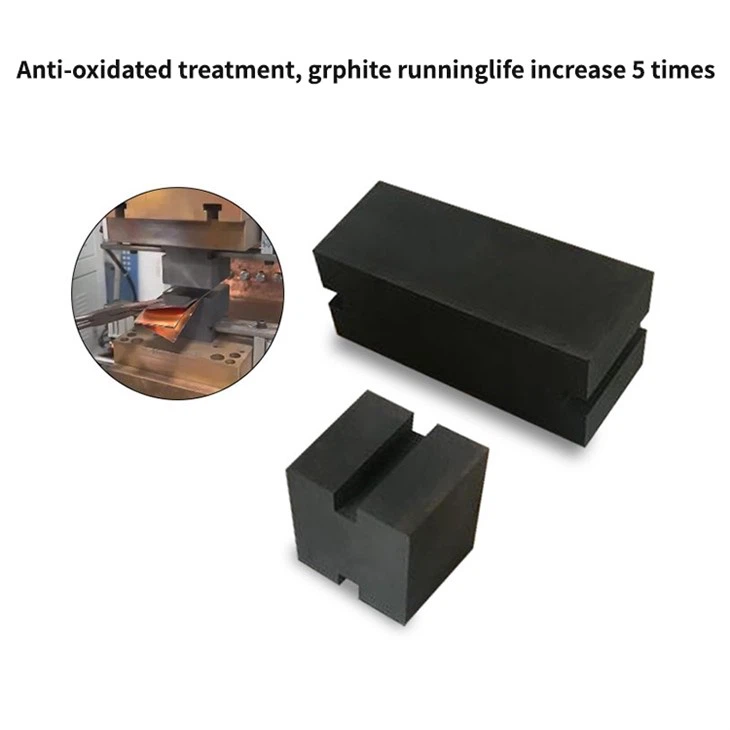
If you're looking for specific types of electrodes, you can explore our product range. For instance, if you need an Electrode Grip, we have a variety of options available. Our Spot Welding Curved Electrode is designed for spot welding applications, and our Graphite Electrode is suitable for high-temperature welding processes.
Conclusion
Reading the specification on a welding electrode is not as complicated as it may seem at first glance. By understanding the key information provided on the specification sheet, such as the identification number, chemical composition, mechanical properties, welding positions, welding current and polarity, coating type, storage and handling, and applications, you can make an informed decision when selecting the right electrode for your welding project. If you have any questions or need further assistance in choosing the appropriate electrode, don't hesitate to contact us. We're here to help you ensure the success of your welding projects. Whether you're a small business or a large industrial manufacturer, we can provide you with the high-quality welding electrodes you need. Reach out to us today to discuss your requirements and start a procurement negotiation.
References
- American Welding Society (AWS). AWS A5.1/A5.1M:2012, Specification for Carbon Steel Electrodes for Shielded Metal Arc Welding.
- Welding Handbook, Volume 1: Welding Science and Technology, 9th Edition. American Welding Society.


