


Welding Automation for Diffusion Welding is designed for high-reliability joining of copper busbars, flexible connectors, and multilayer conductive components where conventional resistance welding or brazing cannot meet structural and electrical performance requirements.
Our automated diffusion welding line integrates precise temperature control, stable pressure systems, and intelligent process management to produce metallurgical bonds without melting base materials.


Certifications
40+ Patents and 2 National Software Copyrights, 10,000㎡ Factory with 100+ skilled employees.


Our Partners
We have served over 5,000+ customers worldwide, and our long-term partners include Tesla, BYD, and Siemens.Over 50+ Fortune 500 companies.


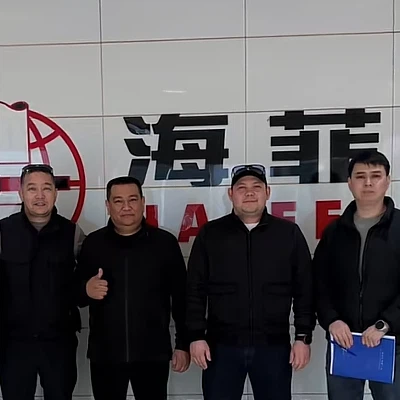
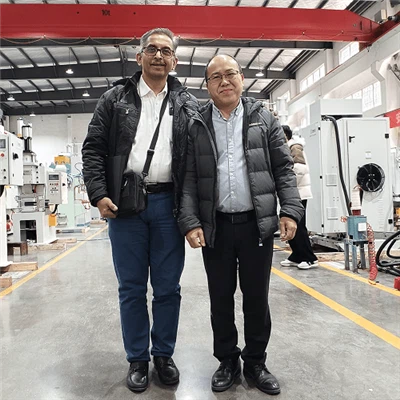
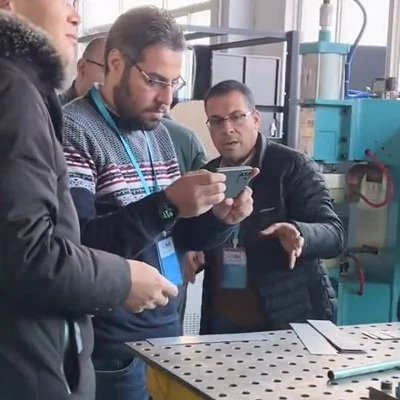
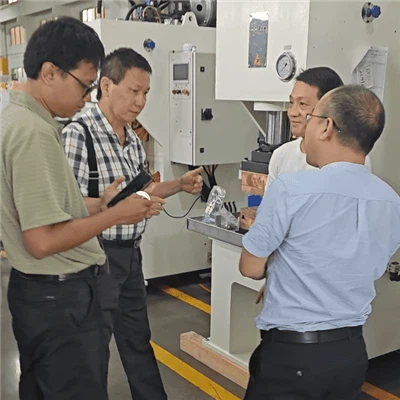
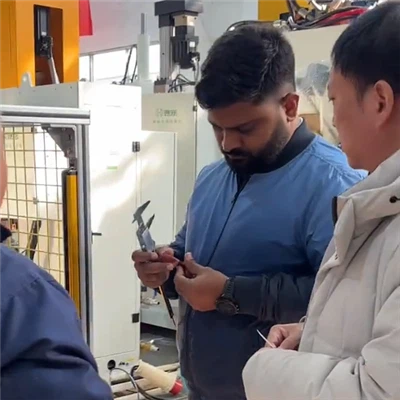
Haifei Customer Site





Advantages of Welding Automation for Diffusion Welding
Compared with conventional welding methods, automated diffusion welding offers:
Consistent Weld Quality
Stable process control ensures consistent weld results.
Low Electrical Resistance
Dense metallurgical bonding reduces resistance.
Minimal Distortion
Solid-state welding reduces deformation.
High Production Efficiency
Automation improves productivity and stability.
Industrial Applications
Copper Flexible Connectors
- Copper braided flexible connectors
- Laminated copper shunts
- Flexible conductive links
EV Battery Systems
- Battery interconnects
- Module busbars
- Conductive bridges
Energy Storage Systems
- Energy storage connectors
- Power links
Competitive Advantages

Patented Surface Activation - Special pre-treatment ensures perfect atomic diffusion
Digital Twin Integration - Virtual process simulation before physical welding
Modular Design - Scalable from R&D to full production
Industry 4.0 Ready - Complete data traceability and remote monitoring
FAQ
Q: What materials can be diffusion welded?
A: Common materials include copper, aluminum, stainless steel, and nickel alloys.
Q: Is vacuum required?
A: Vacuum is recommended for oxidation-sensitive materials such as copper.
Q: What is the typical welding cycle time?
A: Cycle time typically ranges from 5 to 30 minutes depending on material thickness.
Q: Can the Welding Automation for Diffusion Welding be customized?
A: Yes. Fixture design, automation level, and process parameters can all be customized.
Hot Tags: welding automation for diffusion welding, China welding automation for diffusion welding manufacturers, suppliers, factory, welding automation, Welding Automation for Automotive Parts, Welding Automation for Braided Flexible, Welding Automation for Diffusion Welding, Welding Automation for Electrical Parts, Welding Automation for Spot Welding


